


What Are the Best Ways to Invest in Rare Spirits?
Key takeaways
- There are several ways to invest in rare spirits, from buying collectable bottles, purchasing whisky casks, or acquiring shares or interests in businesses which in turn invest in fine spirits.
- Different ownership arrangements mean there may be pros and cons to each investment path, with aspects like provenance, authenticity, condition and demand that investors need to assess alongside the costs of ownership and the time it might take to find a buyer.
- While owning a physical asset may appeal, there is no guarantee that a spirit will appreciate in value, and scarcity and age alone aren’t the only factors that influence valuations.
Rare spirits are a potential alternative asset for investors who might decide to invest in collectable bottles of whisky and Cognac or premium, well-aged rum, or purchase physical casks that continue maturing. The best way to invest might, though, differ between investors, because this will depend on their budget, objectives, how they intend to sell or realise their investment, and the spirits they’re interested in owning.
Unlike conventional financial assets, rare spirits are physical products, and their value can be impacted by factors like provenance, scarcity, condition, age, the brand's reputation and demand from collectors. Investors also need to consider the practicalities of owning a physical asset, which includes storage, insurance, authentication and potentially resale costs.
Whether you’re keen to own rare whisky, limited-edition spirits or whisky casks, we’ve explained some of the possible investment approaches to help you decide which options are the right fit for your circumstances.
What Are the Different Ways to Invest in Rare Spirits?
Investing in rare spirits might mean buying a physical product or investing through another structure, but as always, due diligence is essential to ensure you know what interests, assets or shares you own, and how that investment might be realised.
-
Rare and Collectable Bottles
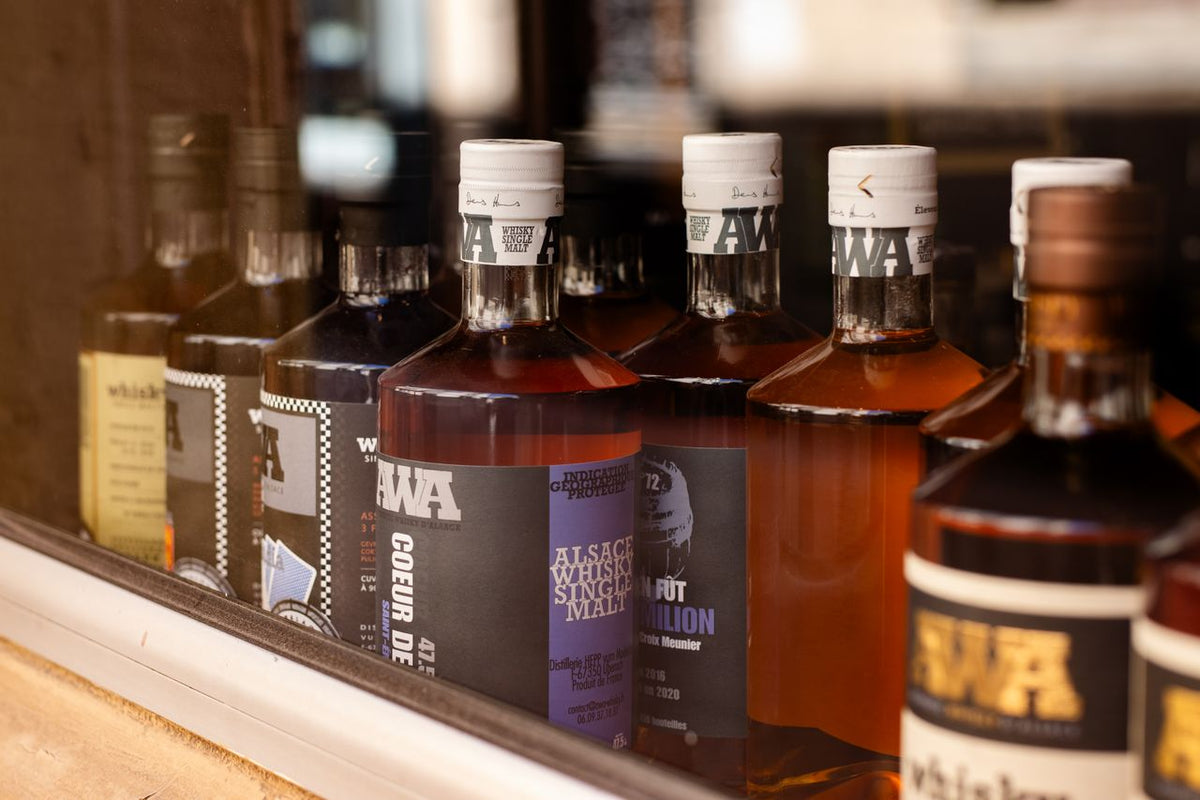
One approach is to buy rare or collectable bottles, such as Scotch whisky, vintage Cognac or a sought-after rum. Bottles can attract collector interest due to their age, rarity, historical significance, packaging, distillery or producer.
However, there can be a difference between a rare bottle and one that has an established resale market. Limited production doesn’t automatically mean demand will be strong, and the condition, authenticity and provenance of a bottle can also affect its appeal.
Storage is also a consideration, because bottles need to be stored with care, paying attention to seals, corks, packaging and reference labels that might influence their condition and potential resale value.
-
Whisky Casks
Whisky cask investment means the buyer purchases a physical cask that will likely be stored in a professional bonded warehouse while the spirit matures.
Unlike a bottle, a cask is a larger volume of spirit that can change as it matures, with values impacted by the distillery and distillation year, age, the type of cask, its provenance, future demand, and the conditions the cask is stored in.
Investors can buy whole casks, but some providers might offer alternative ownership arrangements. In any case, investors need to establish exactly what they own, where the cask is stored, the documentation they’ll receive and the ongoing costs they’ll need to cover.
-
Other Spirits and Collectable Categories
Rare Scotch whisky attracts considerable attention from investors and collectors but is far from the only potential spirit buyers might consider. They could also be interested in collectable Cognac, aged rum and other options, noting that each will have its own collector base and resale market.
-
Share-Based or Other Investment Structures
Investors might decide that, rather than buying bottles or casks, they would prefer to acquire company shares or other investment interests that provide exposure to rare spirits, such as where the company owns or trades spirit-related assets.
In this situation, the investor doesn’t typically own an individual bottle or cask but owns shares in the entity. Their rights, interests, costs and potential exit options all need to be reviewed with care, as these factors will differ from direct asset ownership.
How Do Different Rare Spirit Investment Options Compare?
There isn’t a right or wrong approach that will be suitable for every investor, but we’ve shared some of the comparables below:
|
Investment |
Ownership |
Considerations |
|
Rare whisky bottles |
Individual bottles |
Authenticity, condition, provenance and resale demand |
|
Whisky casks |
Physical maturing casks |
Ownership documentation, storage, maturation and ongoing costs |
|
Other collectable spirits |
Bottles or other physical assets |
Asset-specific demand, provenance and storage |
|
Shares or investment structures |
Shares or interests in a company or other entity |
Legal rights, underlying assets, fees and exit arrangements |
What Should I Look for When Investing in Rare Spirits?
Regardless of the way you might choose to invest, any purchase of a rare spirit comes with several things to evaluate before committing:
- Provenance and authenticity, ensuring you have evidence of a spirit’s provenance, including the specific cask or bottle and ownership arrangements for physical asset investments.
- Rarity and demand, and whether there is an established market for the specific spirit.
- Condition and storage, including a bottle’s seal, packaging, and fill level, and the storage arrangements and documentation for casks.
- Costs and potential exit options, accounting for the full cost of ownership, and understanding what ways the investment might be sold or passed on in the future.
The value of rare whisky can also fluctuate over time. This highlights why investors should consider market conditions and potential resale values rather than assuming that a rare or collectable spirit will always increase in value.
Spiritfilled says, "Investing in rare spirits isn’t just about finding a bottle or cask that appears desirable or rare. Every investor should know exactly what they’re buying, the costs of ownership, and the market they might be able to sell into.
You need ask yourself: does this asset have the potential to increase in value further?' Paying a premium price for a rare, desirable asset means, on the one hand, you've got a quality item. But, on the other hand, does that premium price you've paid leave enough room for further value accumulation. Your investment may have greater growth potential if purchased earlier in its lifecycle, with more room for growth."r
Conducting plenty of research and due diligence is essential, because rarity can’t guarantee value and investors need to be certain they understand what they are buying and what the practicalities of owning that asset will be.’
Frequently Asked Questions
What Is the Best Type of Rare Spirit to Invest In?
There isn’t one rare spirit that will be suited to every investor’s objectives and interests. They might choose rare whisky, Cognac, rum or something else, but every spirit has contrasting markets and characteristics.
Do Rare Spirits Always Increase in Value?
No. Scarcity, age and collector interest don't guarantee that a rare spirit will appreciate in value. Demand can change, and investors may find that selling an asset takes time or that the eventual sale price is lower than expected.
Fees and T&Cs apply. Cask investments can go down as well as up. Past performance and forecasts are not a reliable indicator of future results. Cask investments are unregulated in the UK. Capital at risk.
