



Buy Speyside whisky casks with confidence
Since 2016, Spiritfilled has helped thousands of clients buy Scotch whisky casks directly, with professional sourcing, bonded storage, and clear ownership from the outset. We work with people who value transparency, long-term thinking, and a measured approach to whisky cask ownership.
Whether you are exploring cask ownership for the first time or have prior experience, our role is to guide you through availability, suitability, and the practical realities of owning a whisky cask, from purchase through to long-term management.
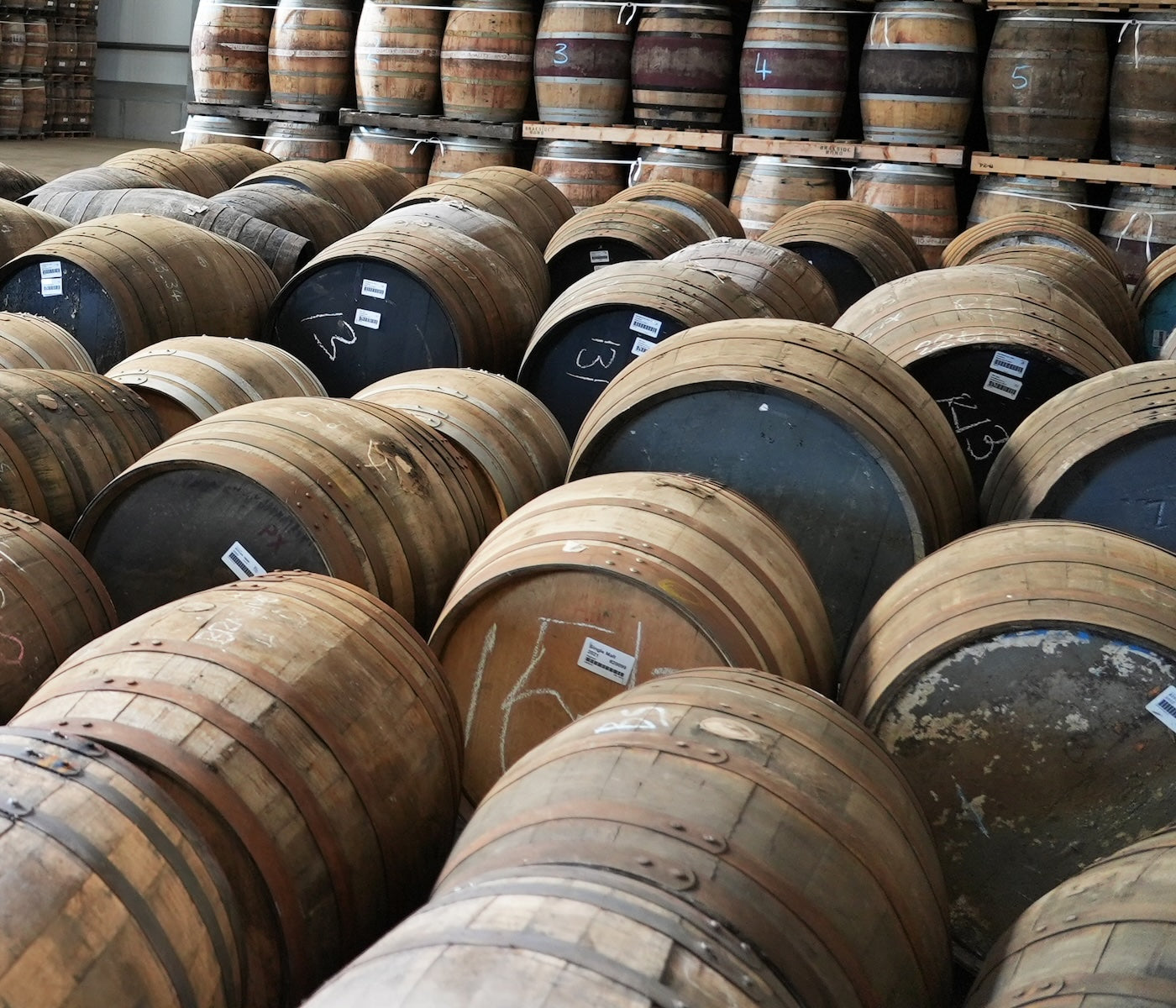
Wide range of Speyside casks
Speyside single malts from world-recognised distilleries across a range of styles, ages, and cask types.
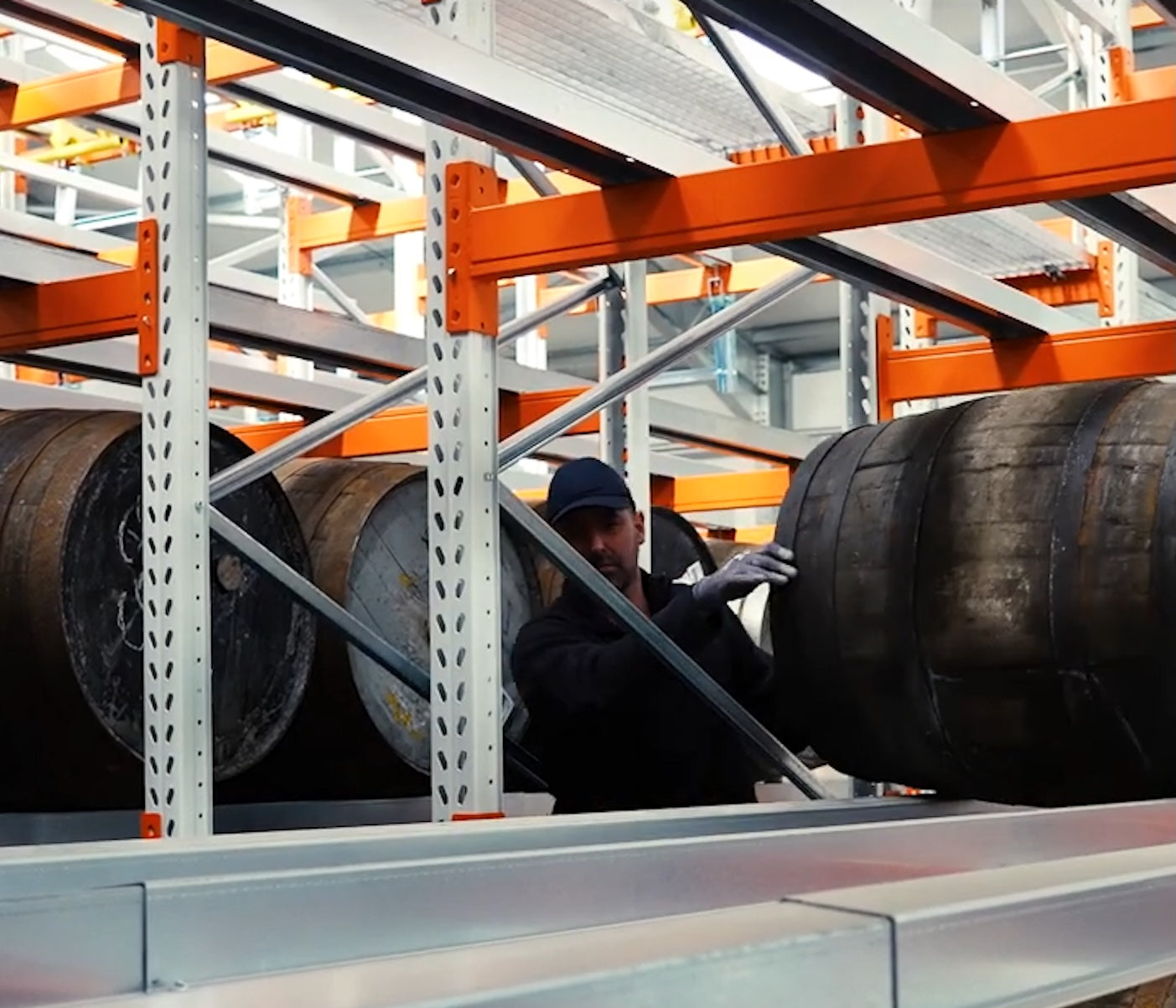
Three years’ storage and insurance
All casks include three years of storage in our HMRC-approved bonded warehouse and comprehensive insurance.
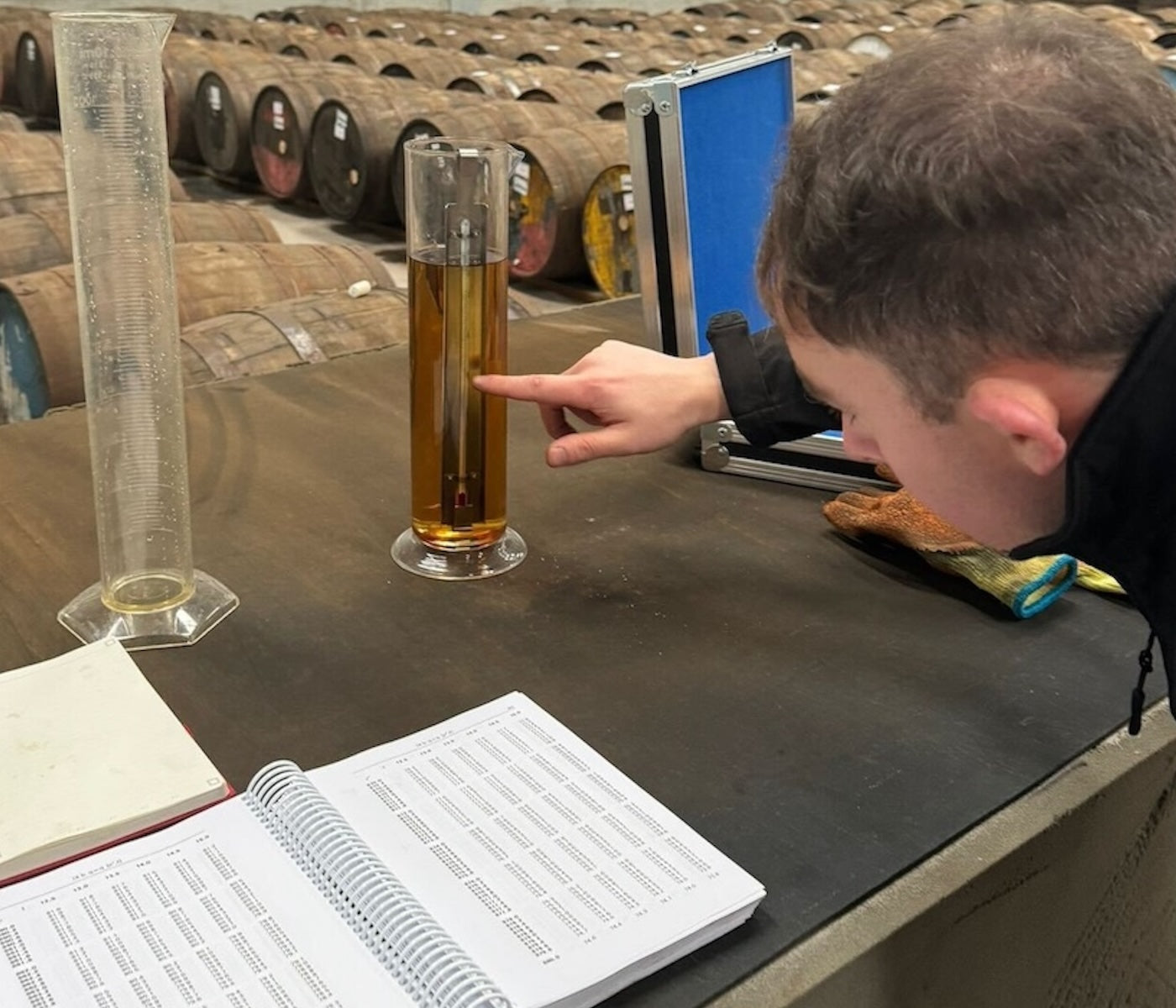
Delivery Order proof of ownership
Ownership is transferred to you outright and recorded via a Delivery Order issued, providing formal proof of title.
Five-star service and support
We are proud of our five-star customer feedback and take a long-term, relationship-led approach to cask ownership.
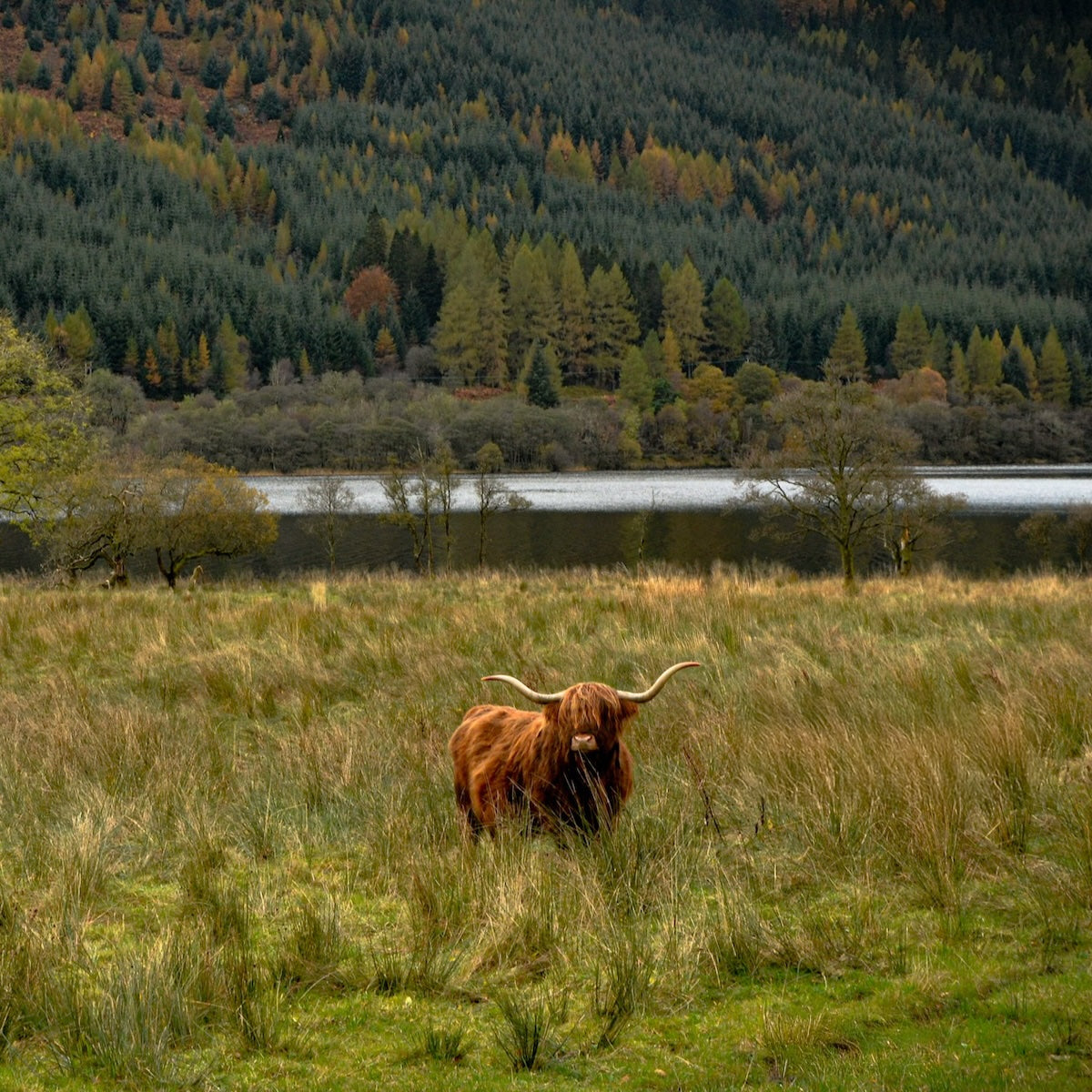
An iconic region of Scotland
Why Speyside?
Few whisky regions rival the scale and global recognition of Speyside. Home to more distilleries than any other Scotch region, it is widely regarded as the heartland of single malt production. Its reputation rests on consistency, elegance, and commercial depth rather than a single dominant flavour trait.
Speyside is typically associated with fruit-forward, structured spirit matured to enhance richness rather than smoke. Peat is usually minimal. Orchard fruit, honey, malt sweetness, and sherry-derived dried fruit define much of the regional profile. First-fill bourbon casks bring vanilla and pear, while European oak sherry casks add raisin, spice and weight.
Many distilleries favour long fermentations and still designs that produce a refined, aromatic new make, well suited to extended maturation. The sheltered inland climate around the River Spey supports steady ageing, contributing to relatively predictable maturation curves, an important consideration for cask owners.
From a market perspective, Speyside holds strong international appeal. Producers such as The Macallan, Glenfiddich Distillery, The Glenlivet Distillery, Balvenie Distillery and Aberlour Distillery have built enduring brand equity across global markets. Well-aged sherried stock in particular continues to command sustained demand.
Speyside combines scale, stylistic diversity and international familiarity, making it one of the most established and liquid segments of the Scotch cask market.
There are over 50 active distilleries in Speyside
Speyside's active distilleries include:
History: Founded in 1879 in the village of Aberlour, the distillery was established during a period of renewed confidence in Speyside whisky. Rebuilt after a fire in the late nineteenth century, it developed a strong association with sherry cask maturation at a time when European oak was becoming central to the region’s identity. Over the decades, Aberlour has built a reputation for producing rich, full-bodied Speyside malt with a consistent emphasis on depth and structure.
Approach: Aberlour Distillery typically produces a robust, fruit-driven distillate designed to integrate closely with oak. Fermentation and cut management favour texture and weight rather than extreme lightness. The distillery is particularly known for its use of European oak sherry casks alongside American oak, often employing double cask maturation to balance sweetness and structure. This deliberate cask management underpins much of Aberlour’s house style, allowing the spirit to carry active oak influence without losing clarity.
Flavours: Aberlour's whiskies frequently displays notes of dried fruit, raisin, dark chocolate and orange peel, supported by malt richness and warming spice. In bourbon wood, orchard fruit and vanilla can come forward, while sherry maturation introduces depth, nutty complexity and tannic grip. With age, leather, fig and polished oak often emerge, producing a Speyside profile that combines fruit sweetness with firm structure and long-term ageing potential.
History: Founded in 1892 in Dufftown by William Grant, Balvenie was built to complement neighbouring production while maintaining a distinct identity. Unlike many distilleries that industrialised rapidly, Balvenie retained a strong commitment to traditional practices. Over time, it developed a reputation for craftsmanship and consistency, becoming closely associated with honeyed, rounded Speyside malt matured with careful cask management.
Approach: Balvenie is notable for preserving several in-house processes, including floor malting a proportion of its barley and maintaining its own cooperage. The distillate is typically soft, aromatic and fruit-led, designed to integrate seamlessly with both bourbon and sherry oak. The distillery frequently employs secondary cask maturation, finishing spirit in different oak types to add nuance rather than weight. Fermentation and cut decisions favour balance and texture over overt power, resulting in a refined and approachable spirit.
Flavours: Balvenie’s whiskies often display honey, vanilla, ripe pear and malt sweetness at their core. Bourbon maturation emphasises orchard fruit, caramel and soft spice, while sherry or wine cask influence can introduce dried fruit, nuttiness and gentle oak structure. With age, notes of toasted almonds, polished wood and subtle spice emerge, producing a Speyside style defined by balance, richness and understated complexity rather than intensity.
History: Founded in 1898 near Elgin, BenRiach began production during the late Victorian expansion of Speyside distilling. After periods of closure in the twentieth century, the distillery was revitalised in the early 2000s, gaining recognition for its broad and experimental approach to cask maturation. Its revival coincided with growing interest in diverse Speyside styles, helping re-establish BenRiach as a distinctive regional producer.
Approach: BenRiach is unusual in Speyside for producing both peated and unpeated spirit, offering stylistic flexibility within the region’s fruit-forward framework. The distillate is typically aromatic and moderately weighty, designed to respond well to a wide range of cask types. The distillery has become particularly associated with diverse wood management, including bourbon, sherry, wine and virgin oak casks. This cask-led philosophy allows BenRiach to showcase both clarity of spirit and oak-driven variation.
Flavours: In unpeated form, BenRiach whisky often shows orchard fruit, honey, malt sweetness and soft vanilla. Sherry maturation can introduce dried fruit, chocolate and warming spice, while wine or virgin oak casks may add red fruit or toasted complexity. BenRiach's peated whiskies bring gentle smoke layered over fruit and malt rather than dominating the profile. With age, the spirit develops greater depth and integration, maintaining a balance between fruit purity and oak influence.
History: Founded in 1891 in the village of Craigellachie, the distillery was established during a period of significant expansion in Speyside. While many neighbouring producers gravitated toward lighter, more estery styles, Craigellachie developed a reputation for a weightier, more muscular distillate that stood apart within the region.
Approach: A defining feature of its production is the continued use of traditional worm tub condensers. Unlike more modern shell-and-tube systems, worm tubs limit copper contact during condensation, resulting in a spirit that retains greater weight and complexity. This contributes to the distillery’s characteristic slightly sulphury, meaty depth, a profile that is increasingly rare in contemporary Speyside production. Fermentation and cut decisions further reinforce a dense, textural new make designed to carry oak influence without losing structure.
Flavours: Craigellachie often shows baked apple, malt loaf and toasted cereal, underpinned by a gentle sulphurous note that adds savoury intrigue rather than imbalance. With maturation, particularly in sherry casks, dried fruit, nutty richness and subtle spice can emerge, while the underlying fruit core remains intact. The result is a Speyside whisky with more weight and grip than many of its neighbours, appealing to drinkers who favour texture and structure over overt sweetness.
History: Founded in 1967 near Aberlour, GlenAllachie was built during a period of expansion driven largely by demand for blending stock. For much of its early life, it operated with limited single malt visibility. That changed in 2017 when the distillery moved into independent ownership and repositioned itself with a clear focus on single malt production and cask-led maturation. Since then, it has developed a stronger identity within the Speyside landscape.
Approach: GlenAllachie produces a relatively full-bodied, fruit-forward spirit designed to work confidently with active oak. Under independent ownership, significant emphasis has been placed on wood management, particularly sherry casks sourced from Spain alongside selected bourbon and wine casks. Fermentation and cut management aim to retain texture and depth rather than extreme lightness, resulting in a distillate capable of carrying richer oak influence without losing structure.
Flavours: GlenAllachie’s whiskies often show orchard fruit, honey and malt sweetness at their core, supported by dried fruit, dark chocolate and warming spice in sherry-matured stock. Bourbon casks can highlight vanilla and citrus, while more active oak introduces raisin, cocoa and toasted nut notes. With age, leather, fig and polished oak may emerge, producing a Speyside style that balances fruit clarity with pronounced cask character.
History: Founded in 1836 at the foot of Ben Rinnes, Glenfarclas remains one of the few large Speyside distilleries to be family owned. Over six generations, it has maintained a strong commitment to traditional methods and long-term maturation. While many competitors diversified cask strategies, Glenfarclas retained a clear identity centred on classic sherry cask ageing.
Approach: Glenfarclas produces a robust, full-bodied whisky well suited to European oak. Large stills contribute to a spirit with both weight and clarity, capable of extended maturation without losing structure. The distillery is closely associated with sherry butts, often favouring refill and seasoned casks that promote steady development rather than aggressive extraction. This measured approach supports consistency across age statements.
Flavours: Glenfarclas whiskies typically display dried fruit, raisin, orange peel and nutty richness, supported by malt sweetness and warming spice. With age, notes of leather, tobacco, dark chocolate and polished oak become more pronounced. The overall profile combines sherry-led depth with firm structure, making it one of Speyside’s most traditional and enduring styles.
History: Founded in 1887 in Dufftown by William Grant, Glenfiddich remains one of the few major Scotch distilleries to be family owned. It played a pivotal role in establishing the modern single malt category, particularly through international expansion in the mid-twentieth century. Over time, it has become one of the most recognisable Speyside names worldwide, balancing scale with a consistent house style.
Approach: Glenfiddich produces a clean, fruit-forward distillate designed for broad accessibility and steady maturation. Tall stills encourage reflux, resulting in a lighter, more aromatic new make. Maturation is centred primarily on American oak bourbon casks, with selective use of sherry wood and finishing casks to add depth and variation. The emphasis remains on clarity, balance and consistency across large volumes.
Flavours: Glenfiddich whisky is typically characterised by pear, green apple and honey, supported by vanilla and gentle oak spice from bourbon maturation. Sherry influence can introduce dried fruit and subtle richness, while older stock develops greater depth through polished oak and soft nutty notes. The overall profile is elegant and approachable, representing a classic expression of fruit-led Speyside malt.
History: Licensed in 1824 by George Smith, The Glenlivet was one of the first legal distilleries in Speyside and played a formative role in shaping the region’s identity. Its name became synonymous with the area’s lighter, fruit-driven style, to the extent that other producers once sought to trade on the “Glenlivet” name. Over time, it established itself as one of the most internationally recognised single malts, helping define the modern Speyside profile.
Approach: The Glenlivet Distillery produces a refined, aromatic distillate characterised by clarity and balance. Tall, lantern-shaped stills promote reflux, encouraging a lighter spirit with pronounced estery fruit notes. Maturation is centred largely on American oak bourbon casks, with selected sherry casks adding depth and structure. The production philosophy favours elegance and consistency rather than overt weight.
Flavours: Glenlivet's typical profile shows citrus, green apple and pear, supported by honey, vanilla and soft oak spice. Sherry-influenced stock introduces dried fruit and gentle richness, while extended maturation can bring toasted almond, polished wood and subtle spice. The result is a Speyside whisky defined by freshness, accessibility and composure.
History: Founded in 1824 on an estate above the River Spey, The Macallan has become one of the most internationally recognised names in Scotch whisky. Its rise has been closely linked to a strong emphasis on sherry cask maturation and a carefully managed premium positioning. Over the past decades, it has played a central role in shaping global perceptions of high-end Speyside malt. While in Speyside, The Macallan chooses to release its bottles under the wider regional classification of The Highlands.
Approach: The Macallan is known for producing a relatively rich, oily distillate from small copper stills, designed specifically to integrate with active oak. Cask management is central to its philosophy, with significant focus placed on both European and American oak sherry-seasoned casks sourced to strict specifications. The aim is not simply maturation, but deliberate flavour construction through wood selection and seasoning.
Flavours: Macallan's house style is typically sherry-led, showing dried fruit, raisin, orange peel and warming spice. European oak often contributes depth, tannin and chocolate, while American oak can add vanilla and sweetness. With age, polished oak, leather and cocoa notes become more pronounced, producing a Speyside profile defined by structure, richness and long maturation potential.
History: Founded in 1823, Mortlach was one of the first legal distilleries established in Dufftown and has long held a reputation for producing a powerful, structured Speyside malt. Historically, much of its output was directed into blends, but its distinctive house style has increasingly been recognised in its own right.
Approach: Mortlach is known for its complex distillation regime, often described as “2.81 times distilled”, a reference to its intricate partial triple distillation process across multiple stills. This approach, combined with relatively short still necks and careful cut management, produces a dense, weighty spirit with notable sulphury and savoury elements. The distillate is robust enough to handle active oak, particularly European sherry casks.
Flavours: Mortlach frequently displays rich dried fruit, dark chocolate, roasted nuts and meaty undertones, often described as umami-like within a Speyside context. Beneath that structure sits a core of orchard fruit and malt sweetness. With extended maturation, leather, spice and polished oak can emerge, creating a whisky that balances muscular depth with refined maturity.
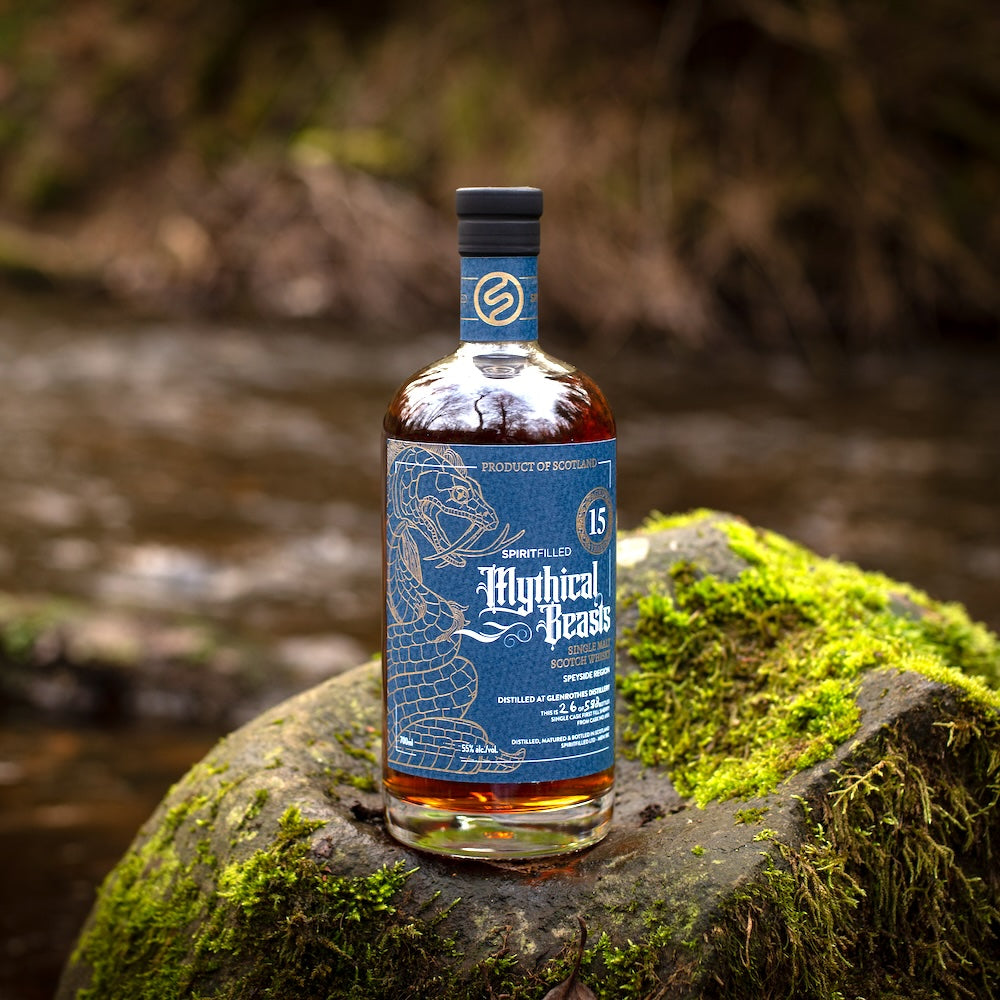
Famous whiskies
Speyside Whiskies: Elegance, Fruit and Oak
Whisky from Speyside is widely regarded as the archetype of modern single malt Scotch. While stylistic variation exists, the region is generally defined by fruit-led spirit, restrained peat, and a strong relationship with oak, particularly sherry casks.
At new make stage, Speyside spirit is typically clean, aromatic and structured rather than smoky. Longer fermentations and tall stills often promote estery notes such as apple, pear and citrus, producing a refined distillate that carries oak influence with clarity.
Maturation is central to regional identity. First-fill bourbon barrels emphasise vanilla, honey and orchard fruit, while European oak sherry casks add dried fruit, raisin, spice and tannic depth. The interplay between fruit-driven spirit and active oak remains one of Speyside’s defining strengths.
Producers such as The Macallan, The Glenlivet Distillery, Glenfiddich Distillery, Balvenie Distillery and Aberlour Distillery demonstrate the range, from rich sherried styles to brighter, honeyed expressions.
With age, Speyside whiskies often develop dried apricot, fig, toasted nuts and polished oak while retaining balance and elegance. In practical terms, the region combines aromatic clarity, oak-driven complexity and strong global appeal, which helps explain its enduring commercial strength.

Unique casks
Speyside Whisky Casks: Scale, Style and Liquidity
A Speyside cask offers exposure to the most established segment of the single malt market. With more distilleries than any other Scotch region, Speyside combines stylistic breadth with deep global demand. That scale and brand familiarity often support stronger liquidity than smaller regions.
In maturation, Speyside spirit is typically fruit-led and structured rather than heavily peated. Orchard fruit, honey and malt sweetness dominate in youth, evolving into dried fruit, spice and polished oak with age, particularly in sherry casks. The refined new make allows active oak to shape the profile without overwhelming it, provided cask quality is appropriate.
Cask type is decisive. First-fill bourbon barrels emphasise vanilla, pear and gentle spice, while European oak sherry casks add raisin, fig and tannic depth, a style associated with distilleries such as The Macallan and Aberlour Distillery. Because peat rarely dominates, balance between spirit and wood is critical in long-term holding.
Commercially, Speyside benefits from sustained international demand. Producers including The Glenlivet Distillery, Glenfiddich Distillery and Balvenie Distillery have built enduring brand equity. Mature sherried stock in particular continues to attract collectors and trade buyers.
In practical terms, a Speyside cask offers recognised distillery names, fruit-driven style and established market depth, making it one of the more commercially resilient areas of the Scotch cask market.
Get Current Speyside Cask List
A short call allows us to understand what you are looking for and to discuss suitable Speyside whisky cask options. We can cover current availability, distillery profile, cask type, bonded storage, insurance, and the practical considerations involved in holding a Speyside cask over the medium to long term. The call is exploratory and there's no obligation to buy.

Why Spiritfilled?
Spiritfilled: Enriching whisky
We created Spiritfilled so our clients can have a secure way to buy, store, and sell whisky casks.
✔ We’re experienced. We've bought and sold whisky casks for years; we have a strong network of industry contacts, and we know how to navigate the market effectively - getting the best prices for our customers.
✔ We’re trusted. We work with clients around the world, often building close personal relationships that see us working together for many years. We're proud of our Trustpilot rating of 4.9 out 5.0, scored by over 330 happy clients.
✔ We’re licensed. Although the whisky cask investment market in the UK itself isn’t regulated, alcohol as a commodity is. We have the necessary government licences to buy, sell, and manage maturing whisky casks (AWRS Number: XXAW00000114325; Warehouse Number: GB00004398203).
✔ We’re passionate. Our genuine love of whisky means we truly understand the product you’re investing in, and we keep our finger on the pulse of market trends.
✔ We handle it all. From sourcing the right casks, through providing a Delivery Order, to facilitating eventual resale, our end-to-end service supports you through every stage of the process.
"I have recently added to my existing cask portfolio with Spiritfilled. The returns to date are healthy which encouraged me to buy some more. The people at Spiritfilled are knowledgeable and run their business in an efficient and courteous manner; never any hard sell. Easy to get hold of to answer any questions or provide information."
"Being completely new to buying whisky, I needed quite a lot of information about the types of barrels, sizes, what was a good buy etc. My dealings were with Jonathan and he took the time to explain all this to me, several times as my memory isn't great! Nothing was too much trouble and he has kept in touch to make sure I was happy and everything was OK. I would have no hesitation in recommending Spiritfilled if you're thinking of buying whisky."
"Spiritfilled have been an absolute pleasure to deal with, from the first enquiry to the final transaction. I found them to be knowledgeable, passionate about what they do and genuine about delivering a positive customer experience. I would highly recommend them to anyone interested in either buying or selling whisky. Thank you Russell and team!"
"I bought a few casks of Whiskey from Chris with a very pleasant and comfortable procedure. I have already talked to different brokers before finding Spiritfilled and Chris, so I can obviously see the difference: Chris is always patient and trying his best to answer the questions I have (the Whiskey, the distillery and the potential investment return). I did not feel to be pushed by him to buy the casks without understanding what I am getting into as the other brokers did to me."
"I found the overall experience very easy. I wasn’t forced into anything or felt obligated to do anything I didn’t want to. All my questions about whisky investments were answered. After my purchase, Ownership papers were sent out ASAP by email and paper copy along with purchase agreement. Once my casks were moved to Breaside Bond warehouse I was given a delivery order and organised a visit to see them. Excellent service start to finish. Would highly recommend Spiritfilled."
Need help?
Frequently Asked Questions
Here are some of the questions we're often asked when it comes to buying whisky casks from Speyside (and, indeed, more generally). But if you need further help, please do contact us using the form above.
Buying a Speyside Whisky Cask
If you are searching for a Speyside whisky cask for sale, focus first on provenance rather than price. A legitimate offering should specify distillery, fill date, cask type, bulk litres of alcohol, current ABV, and bonded warehouse location.
Most importantly, the cask should be accompanied by a Delivery Order issued by the HMRC-approved warehouse. Without this document, ownership is not properly evidenced.
Contact us, and we'd be pleased to help with your search.
To buy a Speyside cask, you typically work with a specialist broker or supplier sourcing stock from distilleries or established trade networks. Once agreed, payment is made and a Delivery Order transfers legal title to you.
The cask remains under duty suspension in bonded storage. You own the cask legally, but it does not leave the warehouse until it is sold or bottled.
Contact us, and we'd be pleased to help with your search.
You should receive:
- A Delivery Order confirming legal title
- Confirmation of cask number and warehouse location
- Bulk litres of alcohol and current ABV
- Insurance confirmation
- Storage terms and annual costs
Clear documentation is essential if you later wish to sell or bottle the cask.
Availability depends on market supply. Casks from certain distilleries can be more difficult to source than others.
Some stock is sold with distillery name attached. Other parcels may be traded as undisclosed Speyside. Transparency around naming rights and labelling restrictions is important before purchase.
Contact us, and we'd be pleased to help with your search.
Minimum purchase levels vary depending on age and distillery. Younger refill barrels may sit at a lower entry point than mature first-fill sherry butts. Buyers should consider not only acquisition cost but also annual storage, insurance, and potential bottling costs.
Investment, Value and Risk
A Speyside whisky cask investment can offer exposure to a globally recognised category. However, it is not a guaranteed return and should be approached as a long-term, specialist asset.
Value depends on spirit quality, maturation, market conditions, and liquidity at exit. It is essential to assess suitability within your broader financial position.
Speyside benefits from strong brand equity and global recognition. The region's style is popular and consistently in demand. Production capacity is finite relative to global appetite, which can influence pricing dynamics.
That said, pricing can vary by distillery, age, and cask type.
There is no fixed holding period. Decisions should be informed by regauging data, sensory assessment where possible, and market demand for that age and style.
Key considerations include:
- Long holding periods
- Market price volatility
- Angel’s share reducing volume annually
- ABV drift over time
- Liquidity at exit
Additionally, active oak can overtake peated spirit if not monitored. Regular regauging and professional oversight are advisable.
Yes. Many transactions occur within bond, meaning the cask is transferred to a new owner via Delivery Order without duty being paid.
Liquidity will depend on age, distillery, condition, and prevailing demand for peated stock at the time of sale.
Storage, Compliance and Practicalities
Although distilled in Speyside, a cask may be stored either in the region or in another Scottish bonded warehouse. All Scotch whisky must mature in an HMRC-approved bonded warehouse under duty suspension.
Private or domestic storage during maturation is not permitted.
A Delivery Order is the formal warehouse document confirming that legal title to a specific cask has been transferred. It is issued by the bonded warehouse keeper.
Without a Delivery Order, you do not have clear legal ownership. It is the single most important document in whisky cask ownership.
No duty or VAT is payable while the cask remains in bond under duty suspension. Duty and VAT are only triggered when the whisky is removed from bond, typically at bottling.
This structure allows maturation to take place tax efficiently.
Yes, provided the whisky has matured in Scotland for at least three years and complies with Scotch Whisky Regulations. Bottling requires removal from bond, payment of duty and VAT, and coordination with a licensed bottler.
Some owners bottle privately, others sell the cask within bond to an independent bottler or trade buyer.
Contact us, and we'd be pleased to help.
Access policies depend on the warehouse where the cask is stored. Some bonded warehouses permit visits by appointment, while others do not allow routine access.
It is important to clarify access arrangements before purchase if visiting is important to you.
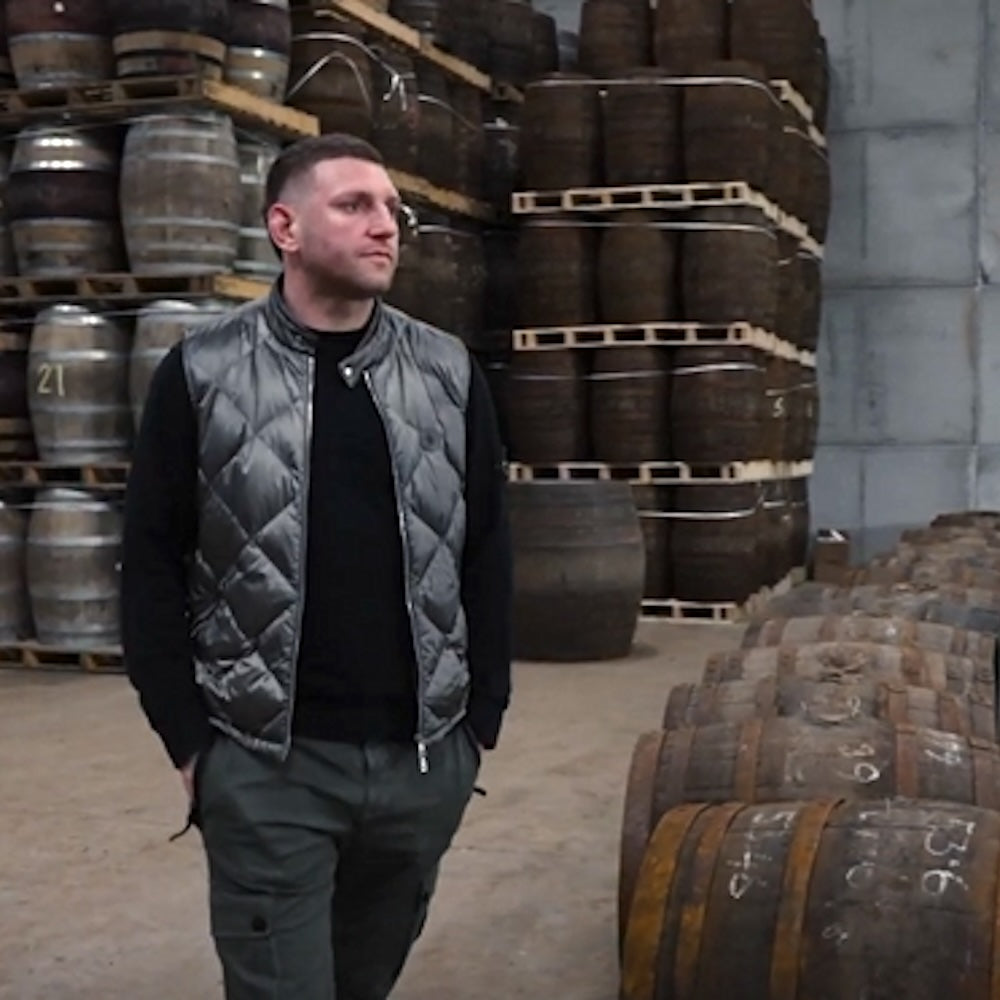
Scottish Rugby Captain and Spiritfilled Ambassador
A word from Finn Russell
“For me, I think it’s a great investment. The longer you can afford to leave it, the better the investment it is. It’s something for my daughters to come; I’ll probably get casks for them in the future, and its always a nice thing to hand down.
Being Scottish, I suppose it’s kind of part of our country, part of our nation. So, I think supporting the Scottish brands and the Scottish distilleries is brilliant. I think the investment you can put in and the longer you can leave it, it’s a brilliant opportunity for people.
One of the biggest things of becoming part of Spiritfilled was the Scottish whisky and coming from Scotland. Being so passionate about Scotland. It’s one of our main prides and whisky gets exported worldwide. I think me trying to help grow Scotland as much as a whisky brand itself is something I’m really looking forward to.”
Finn Russell
