


Why Proper Cask Management Matters
Careful oversight protects whisky quality, preserves optionality, and supports informed long-term decisions.
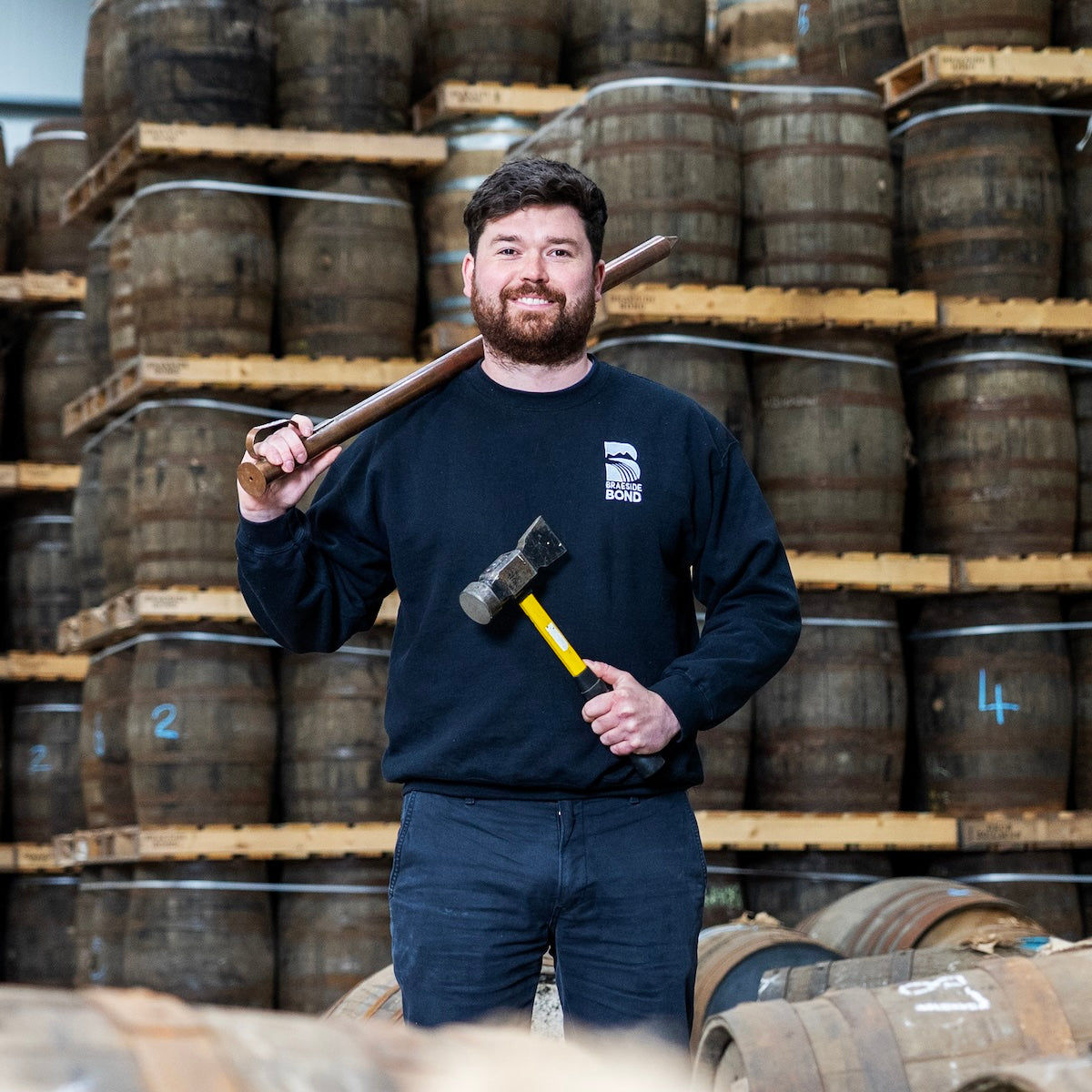
Proper cask management is fundamental to preserving both the character of the spirit and the integrity of ownership. While a whisky cask may mature quietly in bond, it is not a static asset. Over time, changes in alcohol strength, volume, flavour development, and physical condition all shape the future potential of the whisky it contains. Effective management ensures these changes are understood, recorded, and addressed appropriately.
At Spiritfilled, cask management is approached as a long-term discipline rather than a series of isolated actions. Not every cask requires intervention, and unnecessary interference can be as detrimental as neglect. By monitoring maturation carefully and maintaining clear records, decisions are guided by evidence rather than assumption, allowing the whisky to develop naturally while retaining flexibility for future options.
There is also a practical and regulatory dimension. Casks held in HMRC-approved bonded warehouses must meet strict requirements around storage, documentation, and traceability. Proper management ensures these obligations are met throughout ownership, with consistent records that support transparency, accountability, and peace of mind.
Ultimately, managing a whisky cask well is about stewardship. It is a considered approach that respects the spirit, the cask, and the time required for maturation. When handled properly, it allows owners to understand their cask’s journey in bond and make informed decisions at each stage, grounded in knowledge rather than urgency.
Secure Bonded Storage with Insurance
Whisky casks held in HMRC-approved bonded warehouses, with security, oversight, and insurance in place.
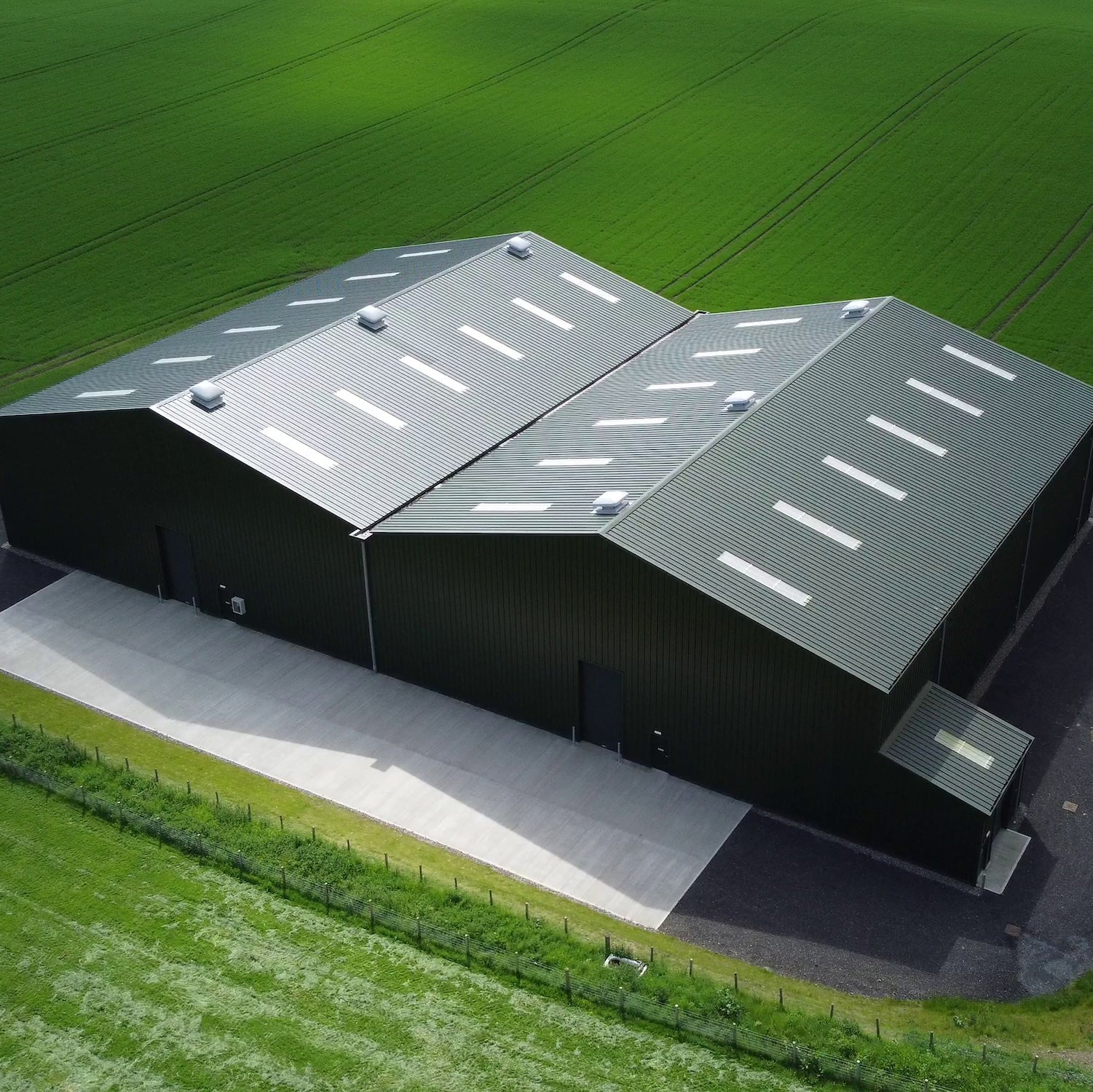
All whisky casks managed by Spiritfilled are stored at Braeside Bond, our HMRC-approved bonded warehouse in Scotland. Bonded storage ensures that duty and VAT remain suspended for the duration of maturation, while providing a regulated environment specifically designed for the long-term storage of maturing spirit. This forms the foundation of responsible cask ownership and management.
Braeside Bond provides secure, professional warehousing with controlled conditions that support steady and consistent maturation over time. Physical security, restricted access, and ongoing oversight help protect casks throughout their time in bond, reducing the risk of loss, damage, or unauthorised movement. Stability and continuity are central to preserving both spirit quality and accurate warehouse records.
Insurance forms an essential part of this protection. Casks held at Braeside Bond are covered by thorough insurance with Aviva, providing reassurance against unforeseen events while in storage. These arrangements are designed to align with bonded warehousing requirements and the realities of long-term cask maturation.
Together, HMRC bond status, secure storage at Braeside Bond, and insurance coverage create the framework within which all other aspects of cask management operate. This foundation allows Spiritfilled to monitor, document, and manage whisky casks with clarity and confidence over the long term.
Record Keeping and Audit Trail
Clear documentation and traceable records underpin responsible cask ownership and management.
Accurate record keeping is central to effective whisky cask management. Each cask must be clearly identified, tracked, and documented throughout its time in bond, with records that reflect its location, status, and any activity carried out. Without a robust audit trail, meaningful oversight and informed decision-making are not possible.
At Spiritfilled, all casks are recorded and managed within the systems of Braeside Bond, ensuring continuity between physical storage and documented records. Warehouse entries capture essential information such as cask identification, movement history, regauging data, and any approved interventions, creating a clear and consistent record over the life of the cask.
This audit trail is particularly important when casks are sampled, regauged, re-racked, or prepared for future transfer. Maintaining accurate, up-to-date documentation supports transparency and reduces the risk of misunderstanding or dispute, especially over longer ownership periods where records may span many years.
Strong record keeping also supports regulatory compliance. HMRC requirements place emphasis on traceability and accountability within bonded warehouses, and maintaining clear documentation ensures these obligations are met throughout ownership. By combining disciplined record keeping with secure bonded storage, Spiritfilled provides owners with clarity, confidence, and long-term continuity in the management of their casks.

Cask Health and Integrity Checks
Monitoring the physical condition of the cask helps protect both spirit quality and long-term integrity.
A whisky cask is a working vessel, and its condition plays a direct role in how the spirit matures over time. While well-maintained casks are inherently robust, regular oversight is important to ensure their structural integrity is preserved throughout long periods in bond. Cask health checks focus on identifying potential issues early, before they can affect the whisky or require more significant intervention.
At Braeside Bond, casks managed by Spiritfilled are subject to routine inspection as part of professional bonded warehousing practice. These checks may include monitoring for signs of leakage, stave movement, or deterioration, as well as confirming that casks remain sound and secure within their storage environment. This ongoing oversight helps safeguard both the physical cask and the spirit it contains.
In most cases, no action is required. However, when attention is needed, early identification allows appropriate steps to be taken calmly and proportionately, whether that involves minor coopering work or closer monitoring. The aim is always to preserve the cask and maintain stable maturation conditions, rather than to intervene unnecessarily.
By combining physical oversight with accurate records and controlled storage, cask health and integrity checks form an essential part of responsible cask management. They provide reassurance that the spirit continues to mature as intended, supported by a vessel that remains fit for purpose over the long term.

Regauging to monitor volume and ABV
Periodic measurement provides insight into how a cask is maturing over time.
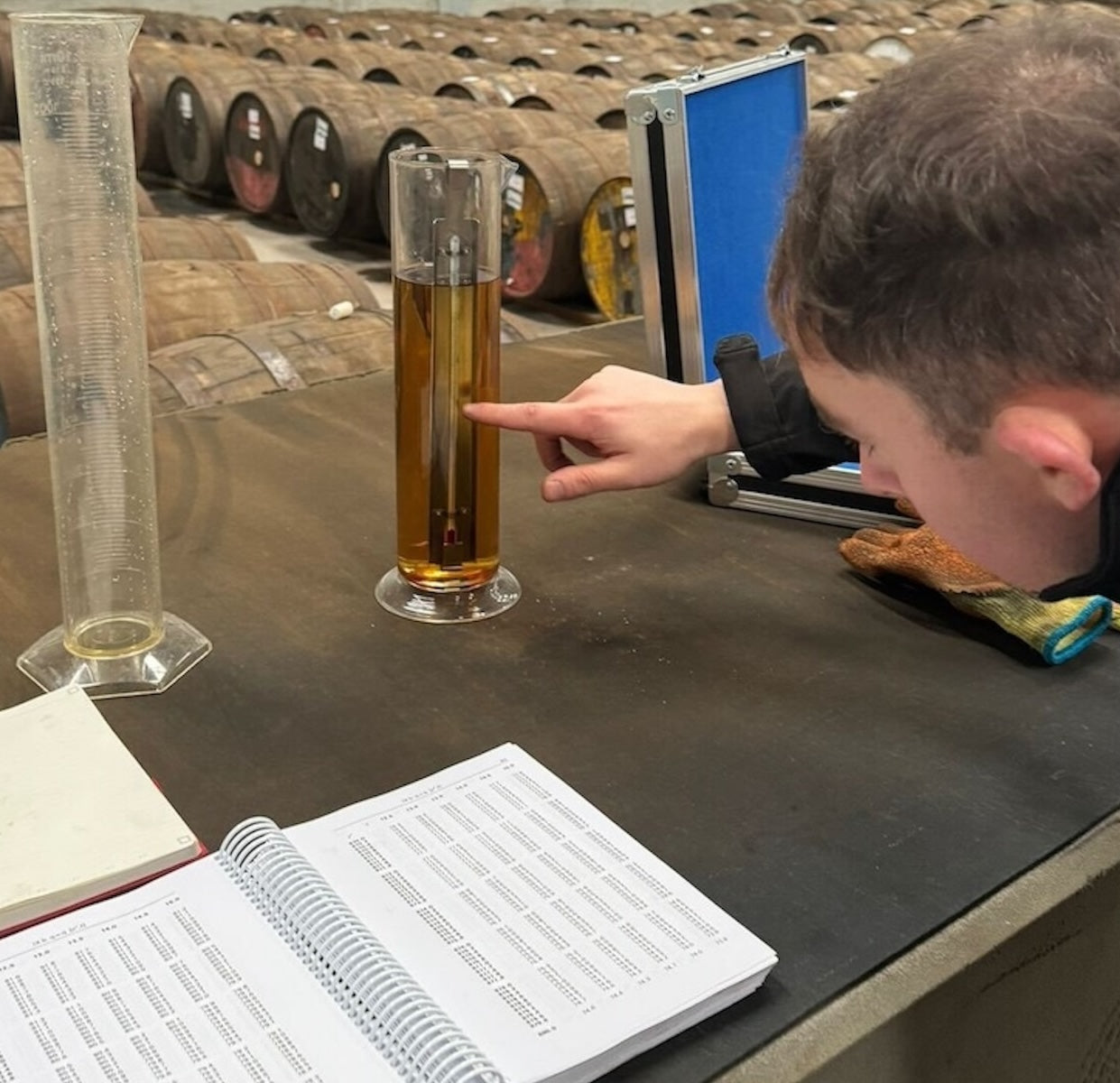
Regauging is the formal process of measuring a cask’s contents, including remaining bulk litres and alcohol by volume. Carried out within the bonded warehouse, it provides an objective snapshot of how the spirit has evolved since filling or previous measurement. When used appropriately, regauging is a valuable tool for understanding maturation rather than a routine requirement.
Over time, natural evaporation and interaction with the cask cause both volume and strength to change. These shifts are influenced by factors such as cask type, fill strength, warehouse environment, and age. By tracking regauging data across longer periods, meaningful trends can be identified, allowing owners to understand how their cask is behaving rather than relying on assumptions.
At Spiritfilled, regauging is coordinated through Braeside Bond and recorded as part of each cask’s ongoing audit trail. Results are documented clearly and interpreted in context, recognising that a single measurement rarely tells the full story. This evidence-led approach supports informed decision-making without encouraging unnecessary intervention.
Regauging helps build a long-term picture of a cask’s journey in bond. Used judiciously, it contributes to responsible management by providing clarity around maturation dynamics while allowing the whisky to continue developing naturally.

Flavour development and sampling
Selective sampling helps interpret how a whisky is evolving in cask over time.
Sampling provides insight into how a whisky’s flavour profile is developing as it matures in cask. When undertaken with purpose, it allows the character of the spirit to be assessed in the context of age, cask type, and storage conditions. Sampling is not about frequent tasting, but about understanding progression and balance as maturation unfolds.
At Spiritfilled, sampling is approached selectively and in conjunction with other forms of oversight, such as regauging data and cask history held at Braeside Bond. Individual samples are considered as part of a broader picture, recognising that flavour development is gradual and best understood over longer intervals rather than through isolated observations.
Sampling can help identify how cask influence is integrating with the underlying spirit, whether maturation remains on a steady course, or whether closer monitoring may be beneficial. In many cases, sampling confirms that patience is the correct approach and that no intervention is required.
Handled carefully, flavour sampling supports informed stewardship. It allows owners to build an understanding of their cask’s character as it matures, guided by experience and context rather than novelty, and with respect for the time required to achieve balance and depth.

Re-racking and finishing
Considered intervention can refine maturation when there is a clear and justified purpose.
Re-racking involves transferring whisky from one cask to another during maturation, whether to refresh an exhausted cask, adjust the direction of flavour development, or introduce a finishing period in a different wood type. While it can play a valuable role in certain circumstances, re-racking is not an automatic step and should only be undertaken when there is a clear rationale.
At Spiritfilled, decisions around re-racking and finishing are guided by evidence gathered over time, including regauging data, sampling observations, and the documented history of the cask held at Braeside Bond. The aim is always to support balance and integration, rather than to impose change for its own sake or respond prematurely.
When appropriate, re-racking can help extend productive maturation or add a new layer of complexity to a whisky’s profile. Equally, restraint is often the better choice. Many casks benefit from continuity and time, and unnecessary intervention can disrupt development or dilute character.
Approached carefully, re-racking and finishing form part of a broader management toolkit. Used selectively and with experience, they allow whisky to continue maturing with intention, while preserving the integrity of both the spirit and the long-term management strategy.
Find out more
Long-term support for cask owners
Managing a whisky cask is a long-term process, and questions can arise at different stages of ownership. Spiritfilled is available to provide clear, experience-led guidance on storage, monitoring, and the ongoing care of casks held in bond. If you'd like to discuss your cask or learn more about Spiritfilled’s approach to cask management, we'd be pleased to hear from you.

Whisky cask management
Frequently Asked Questions
Whisky cask storage refers to holding a cask securely within an HMRC-approved bonded warehouse. Cask management goes further, covering the ongoing oversight of the cask while it matures. This includes record keeping, monitoring physical condition, interpreting regauging data, and making informed decisions when intervention may be appropriate.
There is no fixed schedule for regauging a whisky cask. Frequency depends on factors such as the age of the spirit, cask type, and the information required to support management decisions. In many cases, regauging is carried out selectively to build an understanding of longer-term trends rather than as a routine exercise.
Yes, we can arrange for samples to be drawn from the cask and posted to you. Or, you can visit Braeside and sample your maturing whisky onsite.
Sampling is not mandatory and is often less frequent than many owners expect. When used, it should be undertaken with a clear purpose, such as assessing flavour development or supporting a specific management decision. Many casks benefit from long periods of uninterrupted maturation without the need for sampling.
Leakage is uncommon, but when it does occur it is usually identified through routine warehouse oversight. Early detection allows appropriate steps to be taken, which may include minor coopering work or, in some cases, transferring the spirit to a sound cask. The priority is always to protect the spirit and maintain stable maturation.
No. While re-racking or finishing can be beneficial in certain circumstances, it is not inherently an improvement and should not be treated as a default step. Many whiskies develop best through continuity and time, and unnecessary intervention can disrupt balance or character.
Within a bonded warehouse, formal records are maintained to ensure traceability, compliance, and accountability. These records capture key information such as cask identification, location, and any authorised activity carried out during maturation. Clear documentation underpins responsible long-term management.
Day-to-day oversight is typically handled by the bonded warehouse and management provider, allowing owners to remain hands-off operationally. However, informed decisions still rely on periodic review of records, measurements, and observations as a cask matures over time.
Yes. Newly filled casks and mature whisky behave differently during maturation and may warrant different monitoring approaches. Factors such as early evaporation, cask influence, and rate of flavour development can vary significantly depending on age and spirit style.
A whisky cask can remain in bonded storage for an extended period, provided regulatory requirements are met and records remain accurate. Long-term storage is common, particularly for casks intended for extended maturation. Just be careful of the angel's share, and ensure volume and ABV remain within tolerance.

Scottish Rugby Star and Spiritfilled Ambassador
A word from Finn Russell
“For me, I think it’s a great investment. The longer you’re able to leave it, the better the investment is. It’s something for my daughters in the years ahead; I’ll probably get casks for them in the future as well, and it’s always a nice thing to be able to pass down.
Being Scottish, I suppose it’s part of our country, part of our identity. So I think supporting Scottish brands and Scottish distilleries is brilliant. I think the investment you can make, and the longer you can leave it in place, it’s a great opportunity for people.
One of the biggest things about becoming part of Spiritfilled was the connection with Scottish whisky and coming from Scotland myself. Being so passionate about Scotland, it’s one of the things we’re most proud of, and whisky is exported all over the world. I think helping Scotland continue to grow as a whisky nation is something I’m really looking forward to.”
Finn Russell
