


About Spiritfilled
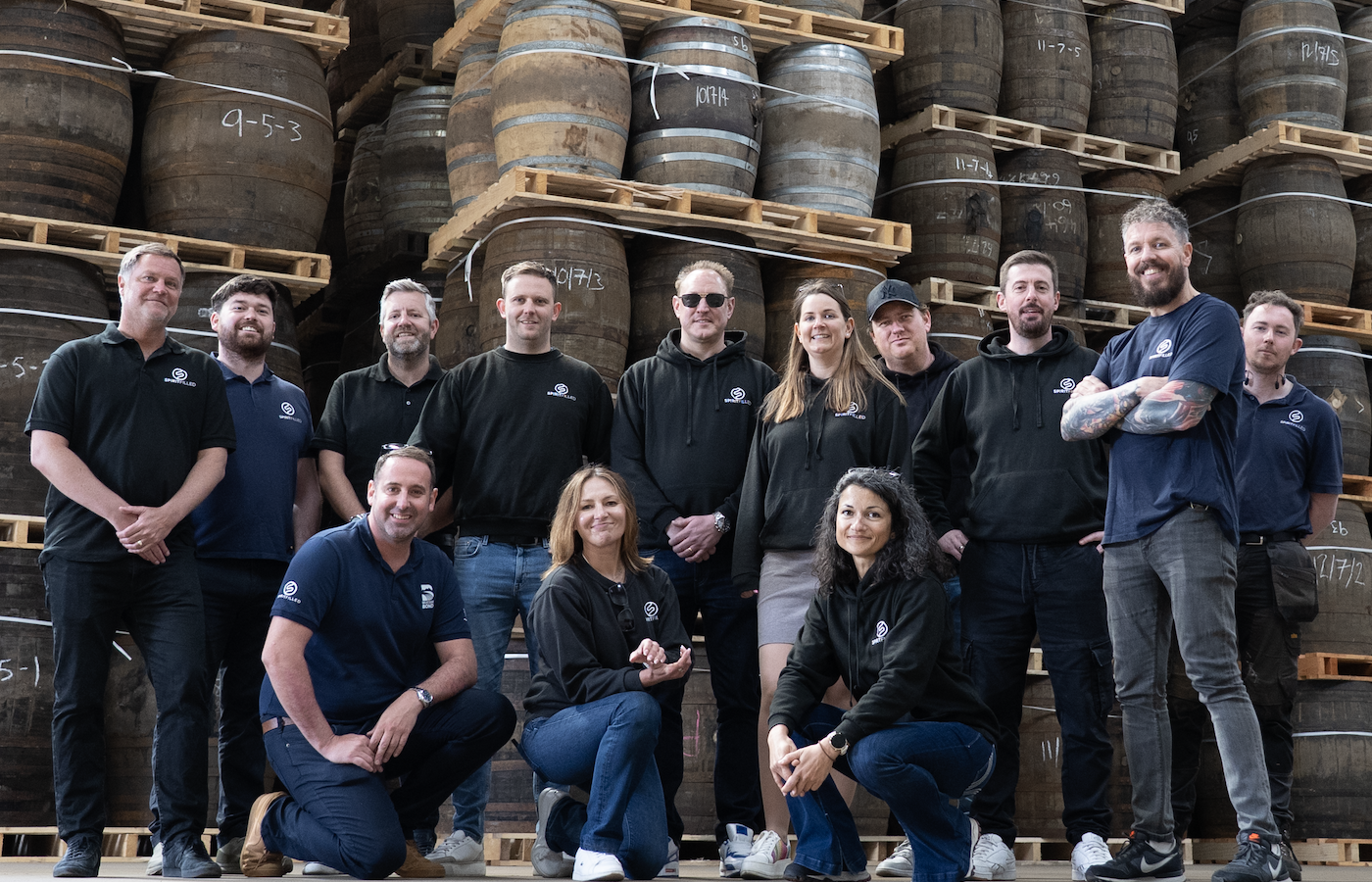
Spiritfilled is a UK-based whisky cask investment company, established in 2019. We source, sell, and manage Scotch whisky casks on behalf of private investors. Our team combines deep industry knowledge with a commitment to transparency — we believe honest guidance builds better long-term relationships than sales pressure.
It depends on where you are. Orders processed here will take 5-7 business days to arrive. Overseas deliveries can take anywhere from 7-16 days. Delivery details will be provided in your confirmation email.
Our office is in Sevenoaks and our warehouse is in Fife. We're always happy to arrange a call, video meeting, or in-person visit. We believe accessibility matters — if you have questions, you should be able to reach a real person.
Three things: transparency, guidance, and structured exit options. We publish clear pricing with no hidden fees, we provide ongoing portfolio support rather than disappearing after the sale, and we actively help cask owners when they're ready to sell. We'd rather under-promise and over-deliver than the other way round.
Buying a Cask Through Spiritfilled
It starts with a conversation. We discuss your goals, budget, and timeline, then recommend suitable casks. Once you've chosen, we handle the paperwork, arrange secure bonded warehouse storage, and transfer legal ownership to you. The whole process is typically completed within a few weeks.
We source casks from a range of Scottish distilleries — from well-known Speyside and Highland names to carefully selected newer producers. Availability changes regularly depending on what we can source at the right price. We'll always tell you honestly whether a particular cask represents good value.
You'll receive a cask ownership certificate, a storage agreement with the bonded warehouse, and a full breakdown of your cask's details — distillery, cask type, fill date, and warehouse location. Everything is registered in your name. We keep copies on file and you can request documentation at any time.
Absolutely. Many of our clients build a portfolio across different distilleries, cask types, and ages to spread risk and capture different maturation profiles. We can help you plan a diversified approach based on your budget.
Yes, and it's one of the more memorable gifts you can give. We can arrange cask purchases as gifts for birthdays, anniversaries, retirements, or corporate occasions. All documentation is transferred to the recipient's name.
Costs & Fees at Spiritfilled
Prices vary depending on the distillery, cask type, and age of the whisky. Entry-level casks typically start from around £2,000–£3,000 for young spirit, while aged or premium distillery casks can be significantly more. We'll provide exact pricing for any cask you're considering — no ballpark figures.
Storage, and insurance, costs between £100 to £160 per cask per year, depending on cask size and value. All casks sold by Spiritfilled include three years storage and insurance, making your initial holding period simple.
No. We provide a complete cost breakdown before you commit to anything — cask price, annual storage and insurance, and any applicable fees at exit or bottling. If a cost exists, you'll know about it upfront. We think fee transparency is non-negotiable.
All casks sold by Spiritfilled include three years storage and insurance. Thereafter, storage and insurance fees are billed annually.
How Spiritfilled Manages Your Cask
Casks bought through Spiritfilled are stored at Braeside Bond, Spiritfilled’s own HMRC-approved bonded warehouse in Fife, Scotland. Keeping whisky in approved bonded storage helps ensure the cask is held securely and remains within the correct duty-suspended environment.
Yes, and we encourage it. Warehouse visits can be arranged through our team — it's a chance to see your cask, meet the people looking after it, and experience the maturation environment. Many of our clients say it's the highlight of the ownership experience.
Your cask is stored in our HMRC-bonded warehouse with full insurance coverage against loss, damage, and theft. Bonded warehouses operate under strict government oversight. Your ownership is legally registered in your name, independent of Spiritfilled — your cask is your property.
Yes. We provide ongoing support throughout your ownership. You can contact us at any time for updates, valuation estimates, or to discuss your options. We don't sell you a cask and disappear — we're here for the duration.
Your cask is your legal property, registered in your name and held independently in a bonded warehouse. Even in the unlikely event that Spiritfilled ceased trading, your ownership rights and your cask would remain completely intact. You could appoint another broker or manage the cask directly.
Selling & Exit Options
No. There are no mandatory lock-in periods with Spiritfilled. You're free to explore selling your cask at any time. That said, whisky cask investment typically performs best over the medium to long term — we'll always give you an honest view on timing.
Contact our team and we'll talk you through your options. Spiritfilled offers multiple exit routes: selling on the secondary market to another investor, selling to a bottler or blender, or having the cask privately bottled. We actively support the process and connect you with buyers through our network.
It depends on the cask — distillery reputation, age, and current market conditions all play a role. Some casks sell quickly, others take longer to find the right buyer. We'll give you a realistic expectation rather than an optimistic guess, and keep you informed throughout.
Yes. Private bottling is increasingly popular — you'll receive your own branded bottles of single cask Scotch whisky. It's an option for personal enjoyment, gifting, or selling as a finished product.
Bottling involves additional costs and decisions, including duty, VAT, labels, bottles, closures, packaging, compliance and logistics; you can use our cask bottling calculator to estimate bottling costs.
Our team manages the bottling process from start to finish.
When a sale completes, funds are transferred directly to you. We'll provide a clear breakdown of the sale price, any applicable fees, and the net amount you'll receive — all agreed before the sale goes through. No surprises at the finish line.
Trust & Due Diligence
We welcome due diligence — in fact, we encourage it. You can visit our offices, speak with our team, request references from existing clients, verify our warehouse partnerships, and review all documentation before committing a penny. A company that discourages questions is one you should avoid.
Whisky cask ownership is not a regulated financial product under the FCA, which means it does not fall under the Financial Ombudsman Service or FSCS protection. This is true across the cask investment industry, not specific to Spiritfilled. It's precisely why we place such emphasis on transparency, documentation, and earning trust through actions rather than claims.
You own it. Outright. Your cask is legally registered in your name with full ownership documentation. Spiritfilled acts as your sourcing partner and ongoing support — we do not retain ownership of your asset. Your cask is your property, held independently in a bonded warehouse.
We strongly recommend it. We always suggest speaking with an independent financial advisor before making any investment decision, particularly for alternative assets. A good advisor will help you assess whether cask ownership fits within your broader financial plan. If you don't have a financial adviser, you can find one at Unbiased.
We take complaints seriously and have a clear process for handling them. You can contact our team directly and we'll aim to resolve any issue promptly and fairly. We'd rather hear about a problem early and fix it than have an unhappy client.
Getting Started
You can reach us by phone (+44 (0) 2081 261 760), email (info@spiritfilled.co.uk), or through our contact form. We're happy to arrange an initial call with no obligation — it's simply a chance to learn about what we do and ask any questions you have.
Entry-level casks start from around £2,000–£3,000, so that's effectively the minimum. There's no upper limit. We'll work with whatever budget you have to find the best options available.
Once you've decided on a cask, the purchase process typically takes a few weeks to complete — sourcing confirmation, documentation, payment, and warehouse registration. We handle the admin and keep you informed at every step.
Start with a conversation. No pressure, no commitment. We'll explain how cask ownership works, answer your questions, and help you decide whether it's right for you. We also have educational resources on our website covering the fundamentals of whisky cask ownership.
