


Scotch vs Japanese Whisky Investment: Which Is Better?
Key takeaways
- Scotch whisky has a substantial, long-established international market, although demand, prices and investment returns can fluctuate over time and between casks.
- Japanese whisky has developed a reputation among enthusiasts and collectors, but the appeal of a particular brand or bottle doesn’t guarantee that an investment will deliver any specific return or profit.
- Whichever type of whisky you prefer, it’s essential to look at the provenance, ownership documentation, storage costs, value and a realistic exit strategy before buying a cask or bottle of either Scotch or Japanese whisky.
Scotch whisky offers a deeply established, transparent market with centuries of data and steady multi-decade appreciation, while Japanese whisky provides high-growth, high-demand scarcity driven by limited distillery counts, though it carries higher artificial premiums and risk of overvaluation.
Scotch and Japanese whisky may appeal to collectors and those looking at whisky as an alternative asset, but they also offer different opportunities and risks. Scotch has an established global export market and a long production history, while Japanese whisky has attracted attention for its distinctive style and sought-after brands.
The key is to distinguish between investing in a maturing Scotch cask and collecting Japanese whisky bottles, because the markets, costs, and potential exit routes aren’t necessarily the same.
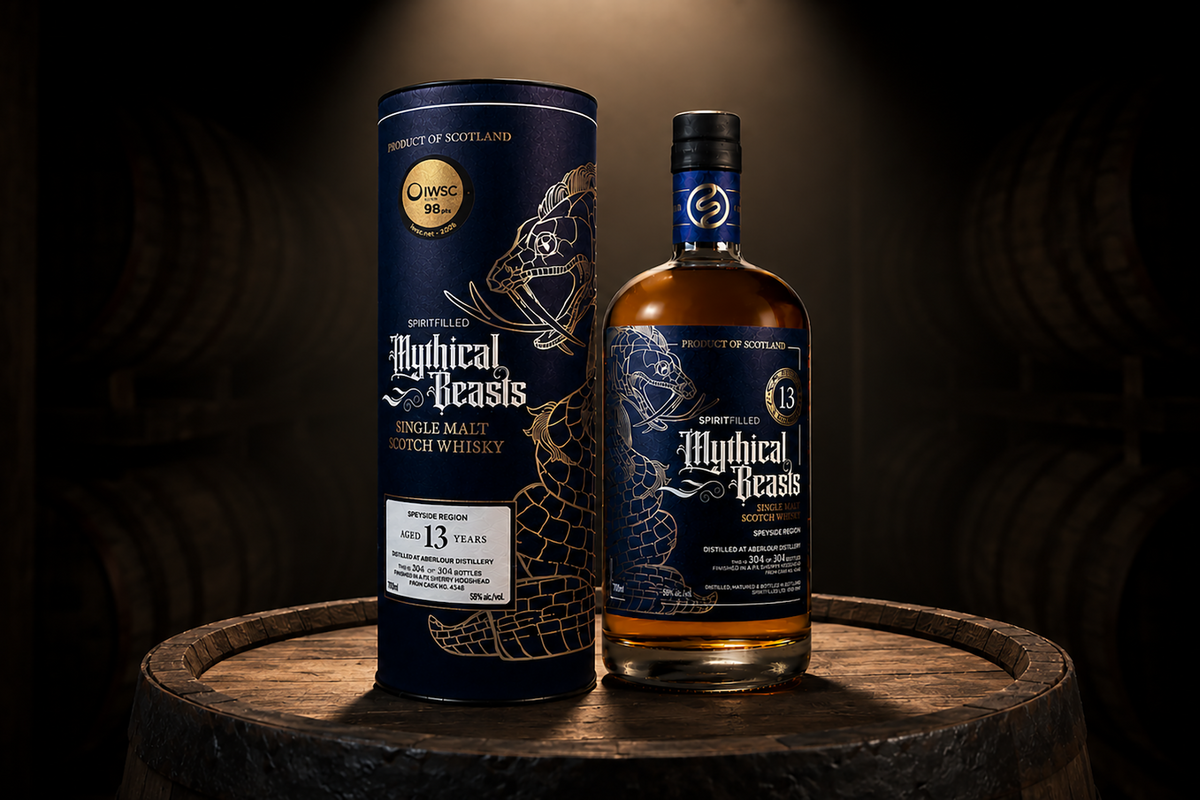
At Spiritfilled, we specialise in Scotch whisky cask ownership, with casks stored at Braeside Bond in Scotland. We’ve put together this guide to explain what you might want to consider when comparing Scotch and Japanese whisky, and why the details of an individual cask or bottle matter just as much as the country of origin.
What Is the Difference Between Scotch and Japanese Whisky?
Scotch whisky must be produced and matured in Scotland in accordance with the legal requirements set by the Scotch Whisky Association (SWA), such as being matured in an oak cask for at least three years.
A different set of industry standards, introduced by the Japan Spirits & Liqueurs Makers Association (JSLMA), set out the requirements for Japanese whisky and took full effect in April 2024.
The main differences include where the whisky is distilled and matured, the spirit's flavour notes when ready for drinking, how whiskies are produced and sourced, and the types of casks and woods used.
Our guide to what happens after you buy a whisky cask explains the practicalities of ownership if you’re new to whisky investment and unsure what it might entail.
Why Does Scotch Whisky Appeal to Cask Investors?
Scotch has a strong international market, and the SWA reports that exports were worth about £5.3 billion in 2025, with 43 bottles exported worldwide every second.
This international reach has meant there is a commercial Scotch whisky market, while investors might prefer Scotch over any other whisky for:
- The scarcity and rarity of older aged casks
- The legacy of owning something associated with Scottish heritage
- The flexibility to retain, sell or bottle casks
Spiritfilled advises that, ‘Scotch spans a huge range of flavours, from smoky, rich spirits to floral notes for whiskies from the Lowlands, or the character of Scotch matured in sherry casks.
This doesn’t mean there is guaranteed demand for every type of Scotch, nor is there a regulated market, but the history, provenance, distillery reputation and collectability of Scotch can all influence valuations and resale options.’
More information about buying scotch is available in our earlier guide to whisky cask investment.
Is Japanese Whisky a Good Investment?
Japanese whisky has attracted international attention, especially sought-after names such as Yamazaki, Hibiki and Karuizawa. Some rare bottles have become collectable, often because of limited availability or the whisky's age and reputation.
However, it’s essential buyers know what they are investing in, because that could be:
- A rare bottle
- A bottle from a discontinued distillery
- A cask of maturing Japanese whisky
Each is a different asset with varying considerations around ownership, storage and resale, and the attention a brand receives doesn’t mean every bottle or cask will appreciate in value.
Anyone considering Japanese whisky as an investment should look at what they're buying, verify its provenance, and understand how they might eventually sell it. They should also check production and labelling standards, because not every whisky marketed as a Japanese brand meets JSLMA standards.
Scotch vs Japanese Whisky: How Do They Compare as Investments?
In terms of investments, rather than assets purchased for the owner's enjoyment, there are a few contrasts we’d point out between Scotch and Japanese whisky as follows:
|
Scotch Whisky |
Japanese Whisky |
|
|
Global market |
An established global export industry and extensive production base. |
Recognised whisky category with demand for particular releases and producers. |
|
Cask ownership |
A recognised form of private ownership, though without regulation or guarantees linked to the resale market. |
Opportunities depend heavily on the specific cask, distillery, ownership arrangements and available onward buyer pool. |
|
Collectability |
Certain distilleries, ages and bottlings can attract significant interest. |
Some brands and rare releases have attracted collector interest. |
|
Valuation |
No official or regulated price list, so it depends on demand and the specifics of each cask. |
Depends on the specific asset, and bottle prices don’t translate into cask valuations. |
|
Key risks |
Market demand, resale options, storage costs and evaporation. |
Authenticity, provenance, market movements, asset-specific costs and reselling. |
Neither Japanese nor Scotch is necessarily ‘better ’, but buyers should know what to expect, especially since Japanese whisky is most often sold at auction in bottles, whereas maturing Scotch whisky is more commonly invested in as a cask.
Why Consider Scotch Whisky Cask Ownership With Spiritfilled?
Spiritfilled, of course, provides access to maturing Scotch whisky investment casks, which are stored at Braeside Bond in Fife. We provide support with all the arrangements involved in buying and holding a cask, including three years of storage and insurance.
We’re always happy to discuss our passion for Scotch whisky, its history and development, but as an investor, the right options will depend on your objectives, budget and the amount of risk you are comfortable with.
To explore the options available, visit our whisky cask buying page or contact Spiritfilled directly.
Frequently Asked Questions
Is Scotch Whisky a Safer Investment Than Japanese Whisky?
No, neither investment is 100% risk-free. Scotch has an established international market, although private cask investments are speculative. Risks also vary between types of Japanese whiskies, and resale values can fluctuate.
Do Japanese Whisky Bottles and Scotch Whisky Casks Offer Similar Investment Opportunities?
No, bottles and casks are very different assets. Bottles may appeal to collectors, while cask investments involve additional considerations, such as the Scotch's maturation stage, how it will be stored and insured, and the costs of selling or bottling in the future.
Does Scotch Whisky Always Increase in Value as it Ages?
Often but not always. Maturation can influence a whisky's flavour, colour, and appeal, but age isn’t the only factor that determines what a Scotch will be valued at. Its condition, the remaining volume and strength will also influence market demand.
Explore Whisky Cask Ownership With Spiritfilled
Scotch and Japanese whisky have distinctive histories and appeal, so the best way to compare your options is to look at specific assets, the evidence supporting their valuations, ownership costs, and the practicalities of selling.
If you're interested in owning a maturing Scotch whisky cask, contact Spiritfilled to learn more about the casks available.
Fees and T&Cs apply. Cask investments can go down as well as up. Past performance and forecasts are not a reliable indicator of future results. Cask investments are unregulated in the UK. Capital at risk.
