


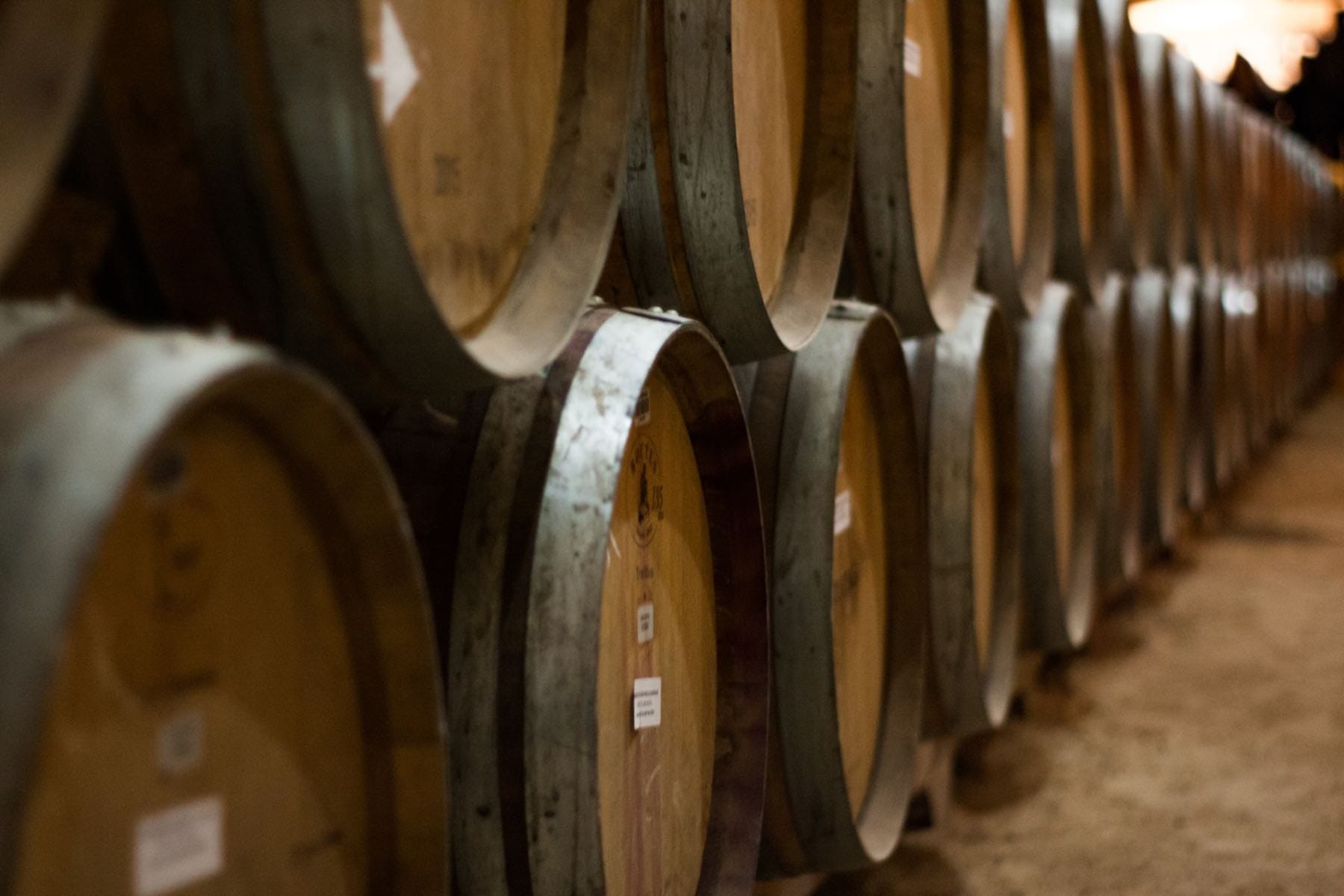

Whisky Cask Sizes and Types
Key takeaways
- Whisky cask sizes can impact the rate at which the spirit matures, because it changes the ratio between wood and the liquid, and therefore how quickly the flavour profile develops.
- Different types of whisky casks can contribute to more distinctive flavour characteristics, depending on the size of the cask and whether it’s been used to store other beverages in the past.
- Investors are advised to consider cask sizes in as much detail as they would assess the distillery, whisky age, storage conditions and long-term investment appeal.
Whisky casks come in numerous styles and sizes. While they’re all designed to hold a maturing spirit, the type of casks you decide to invest in can influence everything from how the flavour of the whisky develops to the speed at which it matures, and, in some situations, the returns you might expect to make.
Whether you are buying your first ever cask or looking to expand your existing portfolio, it’s important you know the differences between barrels, hogsheads, butts and other formats, as this will help you make more informed decisions.
This guide from Spiritfilled looks at some of the more common whisky cask sizes, the reasons distilleries might use different casks, and how cask type affects whisky production and long-term investment potential.
Whisky cask sizes Compared
While barrels, hogsheads, and butts are the three most common casks used in cask maturation, there are other cask types too - each with different capacities, different typical maturation periods, and in some cases different flavour profiles (for example, sherry versus port).
|
Type of whisky cask |
Approximate number of litres |
Approximate litres of pure alcohol |
Typical flavour profiles |
Maturation time (relative) |
|
Bloodtub |
30-35 |
21-25 |
Varied |
Finishing or very short |
|
Octave or firkin |
45-50 |
29-35 |
Varied |
Finishing or very short |
|
Kilderkin |
90-100 |
60-70 |
Bourbon |
Short |
|
Quarter cask |
120-125 |
84-88 |
Sherry |
Short to medium |
|
Barrel |
190-200 |
120-140 |
Bourbon |
Short to medium |
|
Hogshead |
225-250 |
142-175 |
Bourbon |
Medium |
|
Barrique |
250-300 |
159-210 |
Wine |
Medium |
|
Puncheon |
450-500 |
286-350 |
Sherry |
Medium |
|
Butt |
475-500 |
302-350 |
Sherry |
Medium to long |
|
Port pipe |
550-650 |
350-455 |
Port |
Medium to long |
|
Madeira drum |
600-650 |
381-455 |
Madeira wine |
Long |
|
Tun |
900-950 |
630-665 |
Varied |
Long |
Why Do Whisky Cask Sizes Matter?
Two identical volumes of whisky stored in two different casks might differ considerably in terms of the flavour, speed of evaporation and yield, which means the type and size of the cask is just as important as the whisky itself.
Here are some of the many aspects of whisky investment that are impacted by the cask you pick:
- Wood contact: This is the interaction between the spirit and the wood, which influences the whisky's flavour, colour and aroma. You might, for example, have a European oak cask that adds notes of spice and dried fruit, or an American oak cask that is associated with honey and vanilla notes.
- Surface area: Smaller casks have more wood contact per litre because of the surface area to volume ratio between the cask and the whisky, whereas the opposite applies to larger casks. More contact means faster maturation, but less is often ideal for gradual, longer ageing.
- Prior use of the cask: First-fill casks haven’t been used for whisky before, so the cask is typically more active, resulting in stronger flavours and darker colours. Refill casks often have less flavour that can be extracted from the wood, and so requires slower maturation.
- Evaporation: Wood is porous, which means that casks can lose a small percentage of volume and ABV each year to evaporation, known as the Angels’ Share. Casks need to be carefully monitored to avoid excessive evaporation or the ABV falling too low, such as below the legal 40% ABV required for Scotch whisky.
There isn’t necessarily a right or wrong cask, but it’s important investors know how many years of wood contact will be needed to achieve peak maturation, how too much wood contact could negatively affect the taste of the whisky, and when their casks may be at the ideal time to bottle or sell.
Using casks to make single malt whisky
All single malt whisky is stored in warehouses, such as a dunnage warehouse, for a period of time.
During this time, new make spirit is matured in oak vessels - commonly called “casks”. This is so important to whisky that it's often written into law; for example, American whiskey has to be matured in virgin oak casks, and scotch has to be matured in oak casks of specific kinds, like ex sherry.
But while certain aspects of cask maturation are written into the rule book, there is still a lot of variety. This includes size, with casks broadly falling within the range of 200 to 650 litres.
Casks used to make Scotch
There are three types of casks most commonly used to mature Scotch, which are based on both legal requirements and cask availability. By law, Scotch whisky must be matured in oak casks with a capacity of no more than 700 litres.
'Barrel' Barrel size
A barrel can hold approximately 190-220 litres of whisky (120-140 litres of pure alcohol); they’re sometimes called an American standard barrel, or a bourbon barrel. Barrels are a by-product of bourbon production, as the American whiskey industry stipulates that virgin oak has been used. Although US distilleries aren’t able to reuse their casks, they are commonly used within the Scotch industry.
Hogshead barrel size
A hogshead can hold approximately 225-250 litres of whisky (142-185 litres of pure alcohol). Hogsheads are around 20-25% larger than a barrel. They are often made from staves from bourbon barrels, reworked by coopers into this larger format. Casks may often have been used before to store sherry or another liquid, before being purchased for whisky maturation, which is why you may have heard of sherry hogsheads.
Butt barrel size
A butt can hold approximately 475-500 litres of whisky (302-350 litres of pure alcohol), making this cask twice the size of a hogshead, and 2.5 times bigger than a barrel. Butts are typically used to mature sherry, and just as the Scotch industry makes use of barrels previously used in the bourbon industry, Scottish distilleries can also import butts from sherry bodegas.
The size of the cask obviously means a different volume of whisky, but it’s also relevant in maturation times.
Smaller casks, such as a barrel, mean that there is a greater ratio of wood to spirit - there’s more surface area for the liquid to interact with the wood. This means the flavours mature more quickly, and a short maturation time is needed. By contrast, a larger cask like a butt means a lower wood-to-spirit ratio, and a longer, more gradual, maturation period.
Why Are Whisky Casks Made of Oak?
All of the cask sizes we’ve mentioned have one thing in common: they’re all made from oak. That is for several reasons:
- Oak is watertight but porous, which means the whisky won’t leak but can breathe as it matures.
- The wood itself is a flavouring agent, with polymers such as tannins that give the whisky a more complex flavour. Barrels with charred insides can generate flavour profiles that are sweet, smoky and spicy.
- Casks made from oak provide natural filtration, with sulphur compounds filtered through the charred wood without impacting the integrity of the whisky.
The Impact of Whisky Cask Sizes on Investments
Those sizes we’ve outlined above are relevant because they will determine everything from how fast the whisky will mature and the volume of liquid purchased, to the spirit’s final flavour. For example:
- Larger casks mature slowly, with a more balanced flavour over time, which might make this a better option for investors who intend to hold their whisky casks for the long term.
- Some cask sizes are in strong demand from independent bottlers and blenders because of the higher bottle yield, such as bigger sherry butts and puncheons.
- Small casks tend to lose a higher percentage of the total whisky as the Angels’ Share, purely because they have more liquid in contact with wood.
Investors also need to consider their own priorities and time horizons, such as their budget, expected returns, and how long they intend to hold their casks before selling or bottling.
Related reading: How long should I hold onto a whisky investment?
Related reading: Read our full guide to whisky investments
How Whisky Cask Flavours are Affected by Previous Fill
We shared some of the various cask types and their previous uses earlier, but the real relevance of this is in how the flavours embedded in the wood will affect the character of the matured whisky.
To illustrate the point:
- Sherry casks are known for the darker colours and heavier, richer flavours they give whisky, with notes such as winter spice and dark chocolate.
- Red and white wine casks create tangier, fruitier whiskies, with red wine casks giving more berry notes and port or Sauternes barrels having more tannic dryness and flavours of tropical and stone fruit.
- Rum casks used for finishing or maturing whisky typically give the spirit a profile that includes brown sugar, banana, and molasses.
Read more: Whisky vs Wine investment - which is better?
Importantly, whisky doesn’t need to stay in the same cask for its full maturation period. In some scenarios, whisky is matured in a refill cask for a certain amount of time and then finished in a different cask for the last few months.
That might mean maturing whisky in a bourbon cask, then transferring it to a new-fill or seasoned cask to get the best of both worlds.
As one of Spiritfilled’s whisky experts explains, ‘There are so many variables to consider when investing in whisky, but the cask is as important as the age of the spirit, and in how it develops. All of the aspects, from the type of cask, its size, and what it’s previously been used for, will influence how whisky matures, and what it may be valued at when the time comes to bottle or sell it.’
Want to buy a cask of your own?
If you'd like more information on owning a cask, you can download our free cask investment guide here. And, if you'd like to buy a whisky cask, we're here to help. Contact us today and we'd be pleased to talk you through the process, and the casks we have available.
