


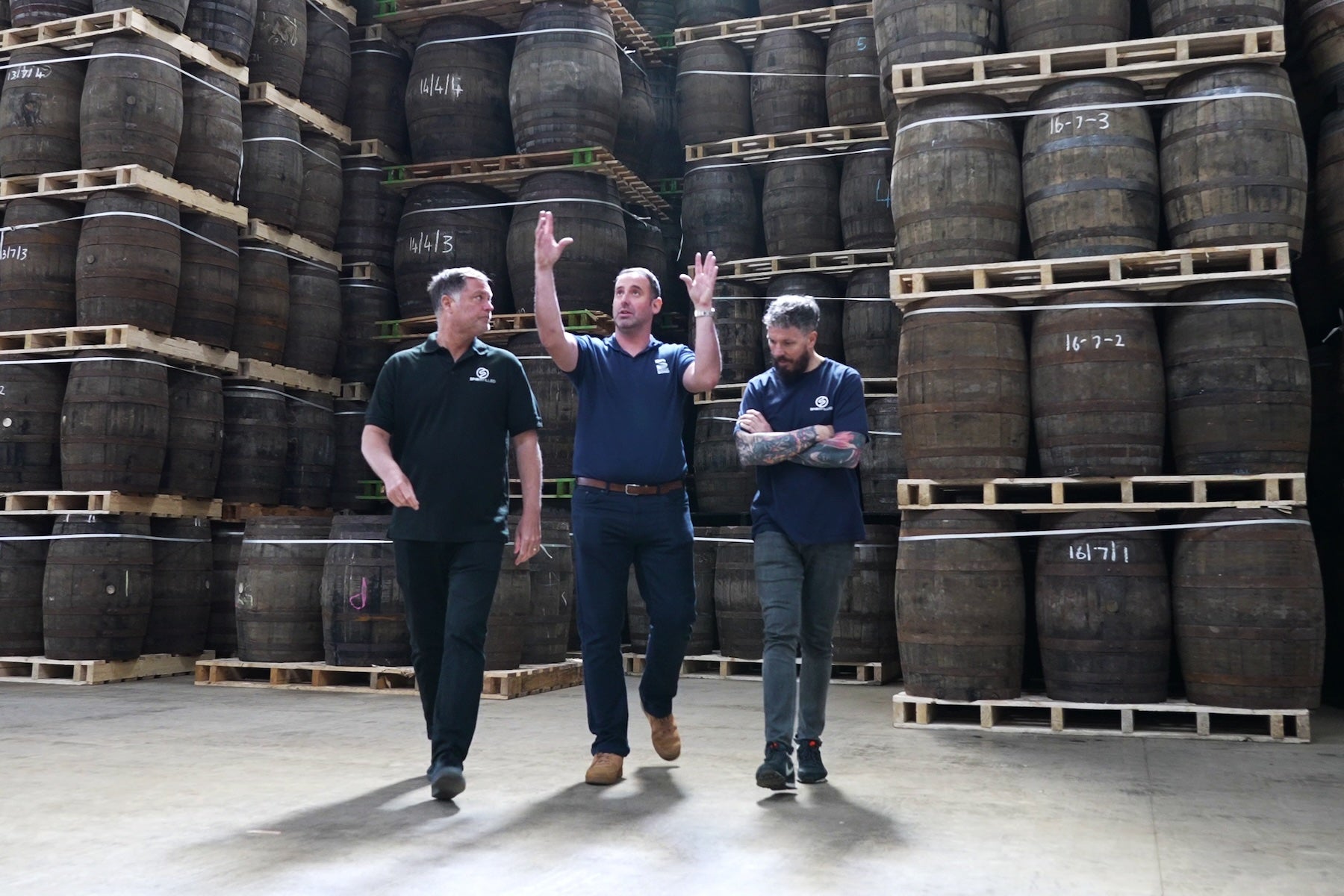

The Benefits of Whisky Cask Ownership: Why invest in whisky casks?
Key takeaways
- Whisky casks combine the assurance and unique nature of owning a tangible asset with the flexibility to decide whether to enjoy, bottle, or potentially sell an asset in the future.
- Professional, VAT-deferred bonded storage, fully documented ownership and exacting cask management help to protect both the investment spirit and its provenance.
- Whether whisky casks are being purchased for personal enjoyment, legacy planning, or investment, ownership should always be approached with realistic expectations and a long-term perspective on costs and returns.
One of the first questions first time investors ask when considering buying whisky casks is - what are the benefits of whisky cask ownership?
Whisky cask ownership offers an opportunity to invest in a tangible asset. It lets owners participate in the maturation of Scotch whisky, with options to bottle, sell, or pass on a cask in the future. While some buy whisky casks for long-term investment potential, others are attracted by owning part of Scotland's whisky heritage or creating a lasting legacy.
Whisky is also more than a drink. It’s a story told through time, oak, and spirit. For those looking to engage more deeply with that story, whisky cask ownership offers a unique opportunity. It’s a chance to become part of the maturation journey, to shape a whisky’s future, and to enjoy the satisfaction of owning something rare, tangible and full of character.
At Spiritfilled, we help individuals, collectors and investors buy and manage whisky casks the right way. In this article, we’ll explore why people invest in whisky casks and the many benefits of cask ownership, from personal enjoyment to potential long-term return.
Why Do Investors Opt for Whisky Cask Ownership?
Every investor might have their own objectives and motivations, and many clients are surprised at the diversity of people who opt to invest in whisky, because this isn’t limited to experienced investment professionals.
There is no right or wrong reason to choose to invest in whisky, whether as part of the strategic diversification of an investment portfolio, or as a gift to a loved one who is celebrating a special birthday! Here are the main reasons why people are interested in whisky cask investments.
1: Whisky is a passion
If you're reading this article, chances are you're a whisky fan. It's one of those topics that fascinates people around the world. We start by tentatively exploring the world of whisky. We move into collecting bottles and absorbing all the details. And then some of us move into whisky casks as the next step in our whisky journey.
This is, to an extent, an obvious point to make. But in a world where there is a whole range of things to buy and invest your money in, choosing an area that's also a passion has to be a bonus.
2: Whisky casks become more valuable over time.
Whisky is aged in wooden barrels called casks. In Scotland, whisky must be aged for at least three years before it can be called Scotch. And in practice, it's usually aged for more than three years.
The reason this is such an important process is that maturing whisky in casks contributes the majority of the whisky's flavour. In other words, the more time it spends in the cask, the more flavoursome it becomes.
The more those flavours develop, the more desirable the cask becomes. For obvious reasons. People want great whisky. And therefore bottlers, blenders, and whisky companies want to buy well-aged delicious whisky casks. This means whisky cask investments can grow in value over time.
3: Whisky cask investments are tangible and physical
Many investments are somewhat virtual. But, whisky cask investments are tangible and physical. Whisky casks can be seen, touched, and tasted. They are also carefully looked after. They're stored in government-regulated bonded warehouses, under lock and key - helping to keep them safe. And, they can be insured and protected, for further security.
4: There's a range of different things one can do with whisky cask investments
Once you've bought your whisky cask there's a range of different things you can choose to do.
- First and foremost, you're likely to want to hold on to it. How long is your choice, but it will probably be measured in years.
- Second, you could choose to further develop its flavour. Reracking a cask into a second cask to 'finish', for example. This process layers further flavours onto your whisky.
- Third, you could choose to bottle your cask - in full or in part. There is a range of considerations here, including costs, tax and legal. But there are also ways of getting help. And there are some bottlers who will let you keep a parcel of bottles, while they take the rest.
- Finally, you could choose to sell. Again, you have options. You could sell to private individuals, likely via a cask broker. Or, you could sell to someone in the whisky industry, for example, an independent bottler.
What Are the Main Benefits of Whisky Cask Investment?
There are several compelling advantages, especially for those who already love fine whiskies, are interested in collecting rare casks, or want to invest in something outside of the traditional financial markets. They include:
- Having a real physical asset that you can touch and see
- Long-term investments as the whisky matures
- Potential to bottle or sell the whisky according to preference
- Options to gift casks or pass them on to heirs
- Professional bonded warehouse storage
We’ll explore each of the benefits in turn below to explain what makes them appealing features to investors.
-
A Tangible Asset You Can Truly Own
Unlike shares, funds or crypto, a whisky cask is a physical asset. You can visit it (by appointment), bottle it, sell it, or pass it down. It’s yours; stored securely in a government-regulated bonded warehouse and held in your name.
In a digital world, that kind of ownership is increasingly rare. It’s about having something real - crafted by hand, steeped in tradition, and quietly improving with age.
Aspects like documented ownership through Delivery Orders, being able to defer the obligation to pay VAT or duty while casks remain in bonded storage, and being able to protect the provenance of casks are all positives.
-
A Personal Connection to the Whisky
Owning a cask connects you to the whisky in a way a bottle never can. Over the years, you’ll receive updates on how your whisky is maturing, its strength, volume, and flavour profile developing slowly in the background.
You’re not just buying a product. You’re becoming part of a process. Whether you choose to bottle it one day or sell it on, the whisky is shaped by time and by your decision-making. It’s a journey, and it’s yours to guide.
Investors are welcome to arrange convenient appointments to visit their casks, organise samplings to verify the flavour and maturity of the spirit, monitor how the alcohol strength changes over time, and help decide on the best time to bottle, if this is part of their exit strategy.
-
Freedom to Bottle on Your Own Terms
One of the most rewarding aspects of whisky cask ownership is the option to bottle the spirit when it’s ready. You choose when and how it’s released—whether that’s a private dram to share with family and friends, or a commercial single cask release with a custom label.
At Spiritfilled, we offer full bottling support, from cask samples and strength advice to label design, packaging and shipping. It’s the ultimate personalised whisky experience, and a memory that lasts far longer than the liquid in the glass.
Investors might opt for commemorative bottlings at personally significant dates, choose to bottle casks as corporate gifts, or organise private bottlings, whether they plan to sell, share or retain those bottles for their own use.
-
Long-Term Growth Potential
While we always advise clients to approach cask ownership with enjoyment in mind, it’s worth acknowledging the investment potential. As whisky matures, it generally becomes more desirable and valuable - particularly if it comes from a respected distillery and has been properly stored.
Casks aged 10, 15 or 20 years are harder to find, and increasingly sought-after by independent bottlers and collectors alike. When managed professionally, a cask can appreciate over time - though of course, capital is at risk, and cask investments are unregulated in the UK.
Factors like the reputation and prestige of the distillery, the age of the whisky and the type of cask it is stored in, and the way in which storage is managed can all impact potential sale values. Other elements like global demand for the specific maturity of whisky, and its scarcity, can also have a big impact on values.
For a balanced look at potential returns and risks, we recommend reading our article on whisky cask investment returns.
-
A Unique Way to Diversify Your Portfolio
In a volatile market, cask whisky offers an alternative asset class, one that doesn’t move with stocks or property. It behaves differently, matures quietly, and is protected from short-term panic.
For wealth managers, family offices and private investors, cask ownership can be a useful way to diversify. And unlike wine or art, whisky doesn’t need to be displayed or maintained, it’s already being stored securely under bond.
It’s also commonly regarded as something different from the convention of shares, property or fine wines, with the unique attribute of being able to accumulate value and appeal as whisky reaches peak maturity.
That said, fees and terms apply, and the asset class isn’t suitable for everyone. We always encourage clients to read our free Whisky Investment Guide before buying, and to speak to a member of our team to understand the full picture.
-
A Legacy to Share
For some clients, owning a whisky cask is as much about legacy as it is about return. A well-chosen cask can be passed on to children or grandchildren, bottled in years to come, or used to mark a special anniversary.
It’s a gift that evolves with time; one that tells a story and leaves a lasting impression. Whether for personal or family use, whisky casks are a way to own something timeless.
Owners might also choose to bottle or gift casks to mark special birthdays, weddings, retirements, business or partnership anniversaries, using their investments less as a way to achieve a return and more as a future saving for these incredibly special moments.
What Are the Responsibilities of Owning a Whisky Cask?
Investing in whisky isn’t necessarily a passive exercise where a third party manages the fund or decides when to exit or hold a position.
Because it’s so much more of a personal experience, investors are often keen to remain involved, but need to be conscious of what that might involve, including:
- Paying for annual storage, and being confident the way whisky is being matured, finished and recasked meets their expectations.
- Ensuring they have sufficient insurance, which is normally organised in partnership with their bonded storage provider.
- Patience while ensuring whisky isn’t bottled or sold before it reaches its full value or potential flavour profile.
- Exit planning, having a clear idea about what the owner will do with the whisky in the future, whether keeping, bottling, selling or gifting it.
While some owners want to invest simply because they enjoy whisky, others might regard casks as a tactical diversification exercise and want a tangible asset that isn’t directly influenced by the traditional markets.
However, the most common scenario is buyers motivated by both: wanting a different ownership experience while ensuring their cask investment decisions are based on long-term potential growth in value.
Whisky cask ownership is more than an investment.
It’s a personal, tactile, and rewarding way to engage with one of Scotland’s finest traditions. Whether your goal is to bottle something unique, watch your spirit mature, or potentially realise a return, the experience of owning a cask is unlike anything else.
Spiritfilled’s whisky specialists advise that ‘It’s rare for two clients to purchase a whisky cask for the exact same reason. Some could be building long-term investment portfolios, others want a unique single cask whisky they can bottle in the future for family and friends, and others just want to own a piece of Scotland’s whisky heritage.
Taking the time to think about your own objectives and what you want to achieve is a great way to ensure you’re taking the right first steps towards choosing a cask of your own.’
If you're curious to explore current availability or want advice tailored to your goals, get in touch with the Spiritfilled team. We’ll help you find the right cask and guide you every step of the way.
Frequently Asked Questions
How Can Bottling Whisky Casks Deliver a Return on an Investment?
According to the Scotch Whisky Association, 43 bottles of whisky are exported every single second to global markets, which means cask owners might opt to bottle their whisky and sell it as individual bottles or cases, with the potential to achieve strong returns.
Can Whisky Investors Pass Casks Onto Their Heirs?
Yes, they can, although there are considerations around Inheritance Tax (IHT) and the potential costs of excise duty and VAT if the beneficiary, or the existing owner, intends to bottle the whisky before an inheritance occurs.
It’s best to seek professional tax planning guidance to ensure you understand all of the implications.
Fees and T&Cs apply. Cask investments can go down as well as up. Past performance and forecasts are not a reliable indicator of future results. Cask investments are unregulated in the UK. Capital at risk.
