

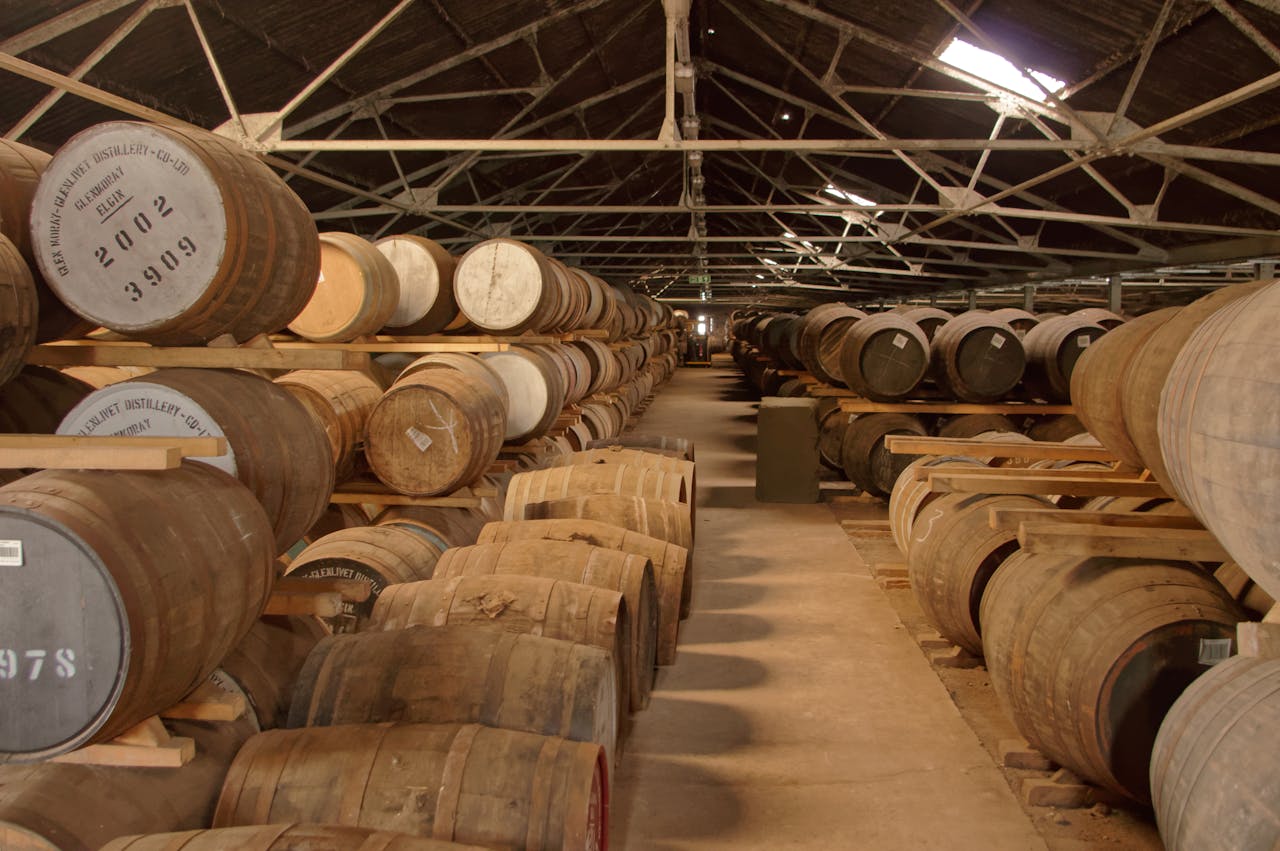

Whisky Valuation: What Is My Whisky Worth?
Key takeaways
- Older whiskies are often worth more, but valuations are not dependent on age alone, with market demand and distillery reputation also playing an important part.
- Tangible aspects such as the condition of the cask, the volume of whisky, and the cask type can all influence a whisky valuation.
- Without market pricing data, expert input is invaluable for ensuring valuations are reliable, and regular valuations can help investors make informed decisions about when to exit.
A question we're frequently asked is - how much is my whisky worth if I sell it today? Getting an accurate Whisky valuation typically relies on an expert assessment by a supplier or specialist with up-to-date market insight, as value depends on factors such as age, distillery, cask type, volume, and current market demand.
While it is correct that older, more sought-after casks will often command higher prices, it’s unfortunately not straightforward to say with certainty what a cask will be worth, because, unlike publicly traded assets, there isn’t a central exchange or single fixed price that applies.
Instead, whisky is valued based on several measurable characteristics as well as subjective factors such as rarity and desirability. This is why knowing how whisky is valued matters, whether you are considering selling a cask, reviewing your portfolio, or simply curious about the value of your assets.
Need a quick way to find out how much your whisky is worth? Speak to us about your whisky here - we'll be happy to guide you.
What Determines the Value of a Cask of Whisky?
Age and maturation increase the appeal of most whiskies, with older spirits having a more developed flavour profile. As the volume of liquid in the cask evaporates, this can also contribute to scarcity, which can make certain whiskies incredibly valuable and highly sought after by global collectors.
However, the age of a whisky cask isn’t the only indicator of value, and experienced whisky suppliers will also consider:
- The distillery that originally produced the whisky. Casks produced by highly regarded and established distilleries often command stronger prices. This is down to collectability, provenance, and brand recognition.
- The type of cask used, with, for example, sherry casks often associated with richer flavour profiles and potentially driving valuations higher than whiskies held in ex-bourbon barrels.
- The volume and strength of the whisky, which will depend on the remaining amount in the cask. Over time, the ‘angel’s share’ reduces the total available, which also affects the final yield and pricing.
One of the more difficult aspects to gauge is market demand, because any cask, no matter its age or rarity, is ultimately worth what a buyer is prepared to pay. That demand can shift based on trends, markets, and interest in certain whiskies or distilleries.
How Does the Whisky Valuation Process Work?
There isn’t a universal method for valuing a whisky cask, so it is a process that requires both market insight and access to data. Suppliers will, for example, look at:
- How much similar casks or whiskies of a comparable quality have sold for
- What the current demand is like
- The maturity stage of each cask and the potential bottling value
- The original distillery’s performance and reputation
- The volume and strength of the whisky
The whisky market isn’t standardised, and valuations can vary, making professional guidance vital to achieving a realistic valuation. As a recap of the factors that influence whisky valuations, we’ve collated a short list of the most relevant factors in the table below:
|
Factor |
Impact on Valuation |
Relevance |
|
Whisky age |
Older whiskies often increase in value |
Greater maturity and rarity contribute to higher pricing |
|
Distillery |
Well-known brands can attract premium valuations |
Depends on collector demand and interest |
|
Cask type |
High-end finishes and rare casks can add to value |
Casks influence flavour profiles |
|
Volume of whisky |
Greater volumes may increase the worth of the caskwhisky |
Buyers can produce more bottles following a purchase, driving the price higher |
|
Market demand |
Can potentially raise or lower valuations |
Reliant on buyer interest from existing and emerging markets |
When Is the Right Time to Have a Whisky Valued?
There are several times when investors are advised to have whisky independently valued, but it’s also worthwhile to have regular valuations, particularly for owners who intend to sell when market conditions are most favourable.
Spiritfilled may suggest a valuation at the following points:
- Before selling a cask to get a grasp of an achievable price
- During ownership to track how values might change over time
- When considering bottling to analyse the potential returns
- Whilst reviewing portfolio values, especially for long-term investors
A Spiritfilled valuation expert explains, ‘Valuing a whisky cask is more art than science because, although there are clear benchmarks, true values often come down to demand at any given moment.
We deploy expertise, in-depth market knowledge and evaluations of casks’ quality to ensure valuations are dependable and reflect a realistically achievable price.’
Read more: When is the best time to sell a whisky cask?
Read more: How long should you hold your whisky cask investment?
Can Whisky Owners Conduct Their Own Valuations?
It is possible to research comparable casks and monitor broader market trends, but without the knowledge that comes with industry access, it’s unlikely owners will be able to arrive at reliable valuations.
Factors like private sales data, supplier networks, and buyer demand aren’t necessarily publicly available, so self-valuation processes will usually give you a rough estimate rather than a precise value.
Consulting a whisky broker is the best way to ensure valuations align with current market conditions and provide a trustworthy assessment of value.
Read more: Is whisky a good investment?
Read our full guide on investing in whisky
Frequently Asked Questions
How Often Should Whisky Investors Have Casks Valued?
That might depend on the stage of maturation, and whether you are actively planning to sell or bottle your casks, but most owners aim to review their valuations at least once every 1 to 2 years, depending on how they manage their investments.
Is an Older Whisky Always More Valuable?
Often, yes, but not always. Age can increase a cask's desirability, but other factors, such as market demand and the distillery's prominence, are equally important.
Can I Sell My Whisky for the Valuation Price?
Potentially, but this also depends. Valuations are professional estimates based on current conditions. In contrast, final prices depend on specific demand and interest at the point of sale, which could mean a valuation is significantly lower or higher than the actual price achieved.
Fees and T&Cs apply. Cask investments can go down as well as up. Past performance and forecasts are not a reliable indicator of future results. Cask investments are unregulated in the UK. Capital at risk.
