


Whisky Investment: A Guide to Whisky Investments in 2026 [UK]
Investing in whisky has become an increasingly attractive option for those looking to diversify their portfolios with a tangible and appreciating asset. With rising global demand for premium Scotch whisky and a limited supply of aged stock, whisky investment offers an exciting opportunity. However, like any investment, it requires careful planning, market knowledge, and an understanding of the risks involved. In this guide, we'll explore why whisky investments are gaining traction, how they work, and what investors should consider before entering this market.
Why Consider Whisky Investment?
1. Strong Historical Returns
Whisky investments have demonstrated significant appreciation over the years. Rare and aged whiskies often fetch premium prices at auctions, and whisky cask values have consistently risen, making whisky investment an attractive long-term option.
2. Growing Global Demand
The demand for Scotch whisky continues to expand, particularly in emerging markets such as China and India. As more consumers develop a taste for high-quality whisky, the value of well-matured casks and bottles increases, enhancing the potential for strong whisky investment returns.
3. Portfolio Diversification
Unlike traditional stocks or real estate, whisky is a unique asset class that behaves independently of financial markets. This makes whisky investments a valuable diversification tool, helping to mitigate market volatility.
Related reading: Should you add whisky to your investment portfolio?
4. Limited Supply and Exclusivity
Whisky production is time-intensive, and older casks are inherently rare. As time goes on, the number of high-quality, aged casks available diminishes, making whisky a highly sought-after commodity for collectors and investors alike.
5. Personal Enjoyment and Legacy
Beyond financial gains, whisky investment offers the satisfaction of owning a part of Scotland's heritage. Some investors choose to bottle their cask, creating a unique product for personal use or gifting.
Related reading: Why Are Whisky Cask Investments Attractive?
Related reading: Are Whisky Cask Investments Worth It?
Types of Whisky Investment
There are three main forms of whisky investment: bottles, casks, and companies.
1. Investing in Bottled Whisky
First, you could invest in whisky bottles. Usually, this specifically means rare, limited edition, bottles. Depending on how many bottles are released, there may be more people who want to buy a bottle than there are bottles available in the first place. This means those lucky enough to get a bottle have something of value. If they then hold that bottle, keeping it safe for a number of years, the value may appreciate. For example, the supply and demand divide can be further heightened as some of those original bottles are opened and enjoyed. The remaining stock of unopened bottles dwindles further.
Pros: Easier to store and resell; potential for short-term appreciation.
Cons: Market fluctuations; counterfeiting concerns; high entry price for rare bottles.
2. Investing in Whisky Casks
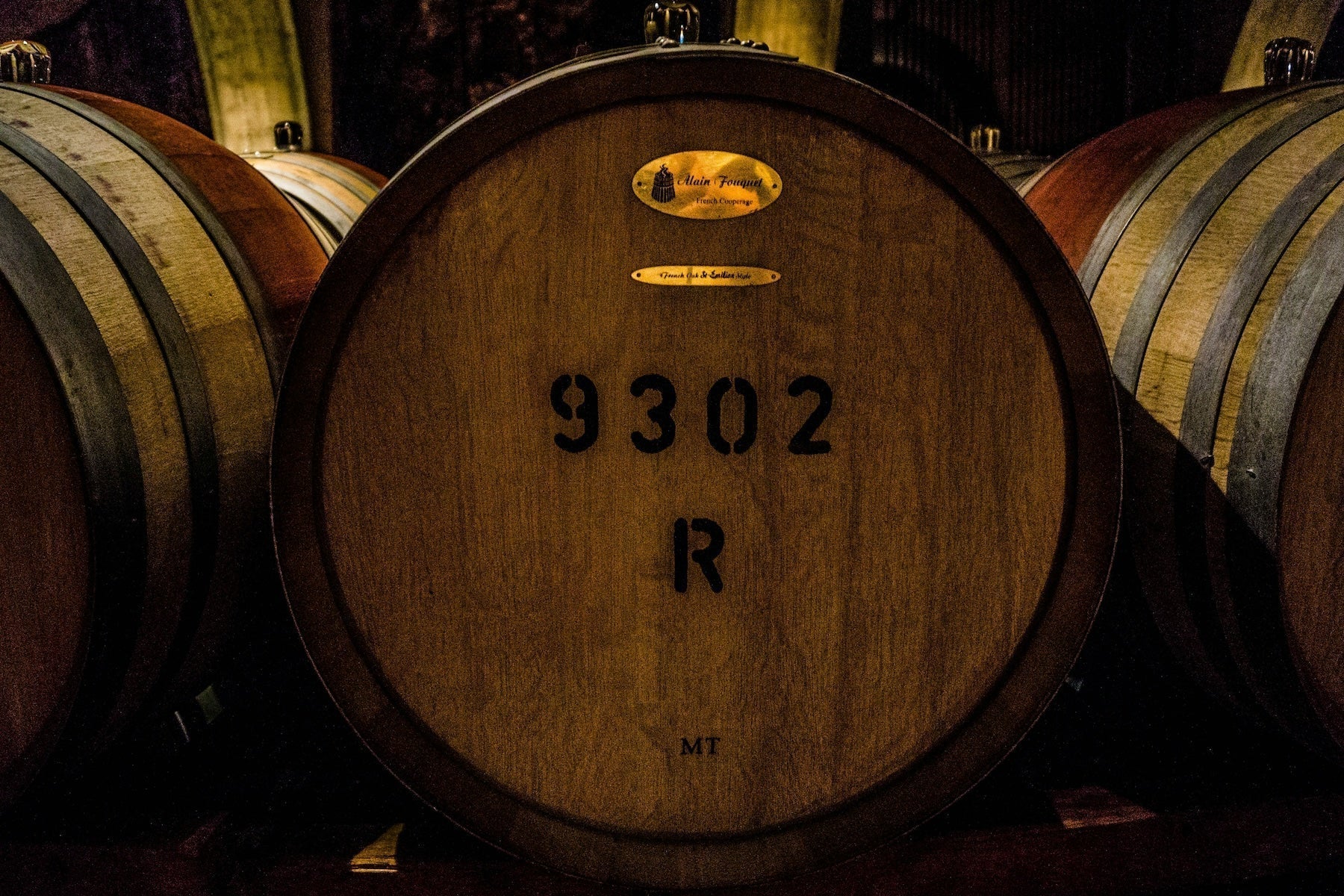
Second, you could invest in whisky casks. This is the process of buying a whole wooden barrel of ageing whisky. You would then hold that whisky cask in an official government-regulated bonded warehouse, as it continues to mature. Over the years, the flavours develop, and the whisky becomes even more delicious. As flavour increases, so does value. And once the cask has reached either a certain level of flavour, or a certain age milestone, the cask can be sold.
Pros: Greater potential for long-term returns; ability to tailor an exit strategy; multiple exit options.
Cons: Storage and insurance costs; longer investment horizon; requires expertise.
Related reading: Why Whisky Casks Are a Better Investment Than Bottles
Related reading: Whisky Casks Versus Whisky Bottles: Which Is the Best Investment?
3. Investing in Whisky Companies
The third approach to whisky investment is buying shares in a whisky company. Particularly in the case of the larger whisky companies, they, or their corporate parent, may be listed on a stock exchange. Where those shares are publicly listed, you could buy a number of shares of your choosing and own a small part of the company. There are major drinks brands listed on the stock exchange, for example Diageo. But there are other approaches, for example some of the smaller distilleries have done crowdfunding rounds.
How Cask Whisky Investment Works
Investing in a whisky cask involves a straightforward process, but it is essential to understand each step to maximise returns.
1. Selecting the Right Cask
Choosing the right cask is crucial for a successful investment. Factors such as the distillery's reputation, the type of cask, the age of the spirit, and the whisky's potential market demand all play a role in determining its future value.
2. Storing in Bonded Warehouses
Whisky casks must be stored in HMRC-approved bonded warehouses to ensure proper maturation and legal compliance. These warehouses maintain optimal conditions for ageing whisky while offering tax advantages, as duties and VAT are only payable upon bottling.
3. Monitoring the Investment
As whisky matures, investors can assess its progress and decide when to sell, re-cask, or bottle the whisky. The longer the whisky ages, the more valuable it becomes, provided that it is carefully managed.
4. Exit Strategies
A well-planned exit strategy is vital for maximising returns on cask whisky investments. Investors can sell their casks to independent bottlers, whisky brands, collectors, or even at auction. Alternatively, bottling the whisky under a private label can further increase its market value.
Related reading: How Does Whisky Investment Work?
Related reading: Whisky Cask Exit Strategy
What Drives the Value of a Whisky Cask?
Several factors influence a cask's appreciation potential:
Distillery reputation: Casks from prestigious or cult-favourite distilleries are often more desirable and command higher resale prices.
Age and fill date: Older whiskies are rarer and typically more expensive — though maturation must be monitored to avoid over-ageing.
Cask type and size: Sherry butts, port pipes, and other seasoned casks can command a premium. First-fill casks may add more flavour than refill ones. A cask which includes naming rights may be better than one sold without.
Strength and volume (RLA): Known as regauged litres of alcohol, this affects how much whisky remains and what it's worth. Casks lose volume over time due to evaporation (the "angel's share"), so regular re-gauging is essential.
Storage conditions: Casks must be stored in HMRC-compliant bonded warehouses for proper maturation, legal resale, and duty suspension. Poorly stored casks can deteriorate or suffer from excessive evaporation.
Generally speaking, the older the cask becomes the more valuable it is. This can be particularly true around milestone birthdays, for example, 3 years, 12 years, 18 years, etc. One just needs to monitor a cask over time to ensure: there are no leaks; evaporation is in line with normal expectations; the ABV doesn't dip too low; and, of course, flavour is improving.
Related reading: What Types of Whiskies Are Best for Investment Purposes?
Key Considerations Before You Invest in Whisky
While the potential is exciting, whisky investment requires due diligence. Key things to consider:
Partner Reputation: Work with a trusted company that offers secure storage, transparent pricing, and legal ownership documentation.
Storage Conditions: Whisky must be stored in bonded warehouses under optimal conditions for it to mature properly.
Investment Horizon: Whisky investments are medium to long-term. Consider whether you're looking for a 5, 10, or 15 year return.
Exit Strategy: Know how you intend to realise returns — through resale, bottling, or auctions.
Market Knowledge: Understand distillery reputation, cask types, and whisky market trends to make informed decisions.
Self-reflection checklist (from frequently-asked-questions-about-whisky-cask-investments):
- Do you understand whisky, and how familiar are you with the whisky cask market?
- What kind of whisky cask do you want to buy?
- Where are you going to buy the whisky cask, and have you done your due diligence on the seller?
- How much money can you keep locked in whisky casks for a decent period of time (several years, ideally five or more)?
- Can you afford to lose the money, worst case, without it being overly detrimental to your finances?
- Have you done the sums, factoring in fees, costs, and evaporation?
Understanding the Risks of Whisky Investment
- Market Fluctuations: Whisky prices can be influenced by economic conditions, industry trends, and consumer demand.
- Liquidity Issues: Selling whisky casks can take time, requiring the right buyer or marketplace. This is not an easily or instantly liquidated asset.
- Storage and Maintenance Costs: Fees for storage, insurance, re-gauging, and in some cases bottling and exit costs. These must be factored into any calculation of net return.
- Counterfeit and Fraud Risks: The rise in whisky investment popularity has attracted fraudulent operators. Always work with a reputable provider.
- Evaporation (Angel's Share): Over time, a small amount of whisky will evaporate. If evaporation is severe and left unmonitored, there is a risk the cask could dip below the legal minimum ABV of 40%.
- Cask Deterioration: Wooden casks can sometimes fail, with cracks and leaks developing. Left unchecked, these can reduce the volume of whisky in the cask.
- Over-ageing: It is possible to 'overage' a whisky, creating something that is too woody with undesirable characteristics.
Unregulated asset class: Cask whisky investments are not covered by the FCA or FSCS. Past performance and forecasts are not reliable indicators of future results, and fees and terms apply.
Related reading: Mistakes to Avoid When Thinking About Whisky Investments
Related reading: Managing Whisky Cask Investment Risks
How to Invest in Whisky Safely
- Work with a Trusted Whisky Investment Firm - Choosing a reputable partner like Spiritfilled ensures that your investment is secure, transparent, and backed by expert industry knowledge.
- Only invest money you can commit for the long term - Whisky investment should be just one part of your overall portfolio. You should only invest money that you can keep locked away in a cask for at least five years.
- Understand Your Investment Goals - Define your whisky investment strategy - whether you aim for short-term gains with bottled whisky or long-term growth with cask maturation.
- Make sure the cask is in your name - Different cask brokers work in different ways. In some cases, they retain ownership of the cask on your behalf. This can cause issues if the company ever goes into financial difficulty. Make sure that the cask is your legal property.
- Choose the Right Whisky - Consider factors like distillery reputation, cask type, age, and storage conditions when selecting whisky investments.
- Take out insurance - Insurance will give you that extra safety net, just in case something happens to the cask while it ages.
- Monitor Market Trends - Stay informed about industry movements, emerging markets, and auction results to make data-driven investment decisions.
Related reading: How to Invest in Whisky Casks Safely and Securely
Frequently Asked Questions About Whisky Investment
Is whisky a good investment?
Yes, whisky can be a good investment, as it has the potential to grow in value over time. There are several factors which influence the investment potential of a whisky. These include the brand name, age, and rarity of the whisky, as well as how popular, or in-demand, it is.
Is investing in whisky casks a rewarding venture?
Investing in whisky casks can be a fascinating and rewarding experience. But, you need to be careful, do your research, and understand the risks as well as the benefits - some of which we cover in the following questions.
Can you make money investing in whisky?
Yes, it is possible to make money investing in whisky. The key here is that you need to invest in the right way. And you need to understand the downsides and risks, as well as the potential reward.
At Spiritfilled, we help our clients invest in whisky casks. Because the whisky is still ageing in the barrel, the whisky improves over time. This helps generate a return.
Is whisky investment safe?
All investments have some risk associated with them. It's this risk that helps justify rewards for investors. The notion of 'risk and reward' is commonly associated with the stock market, but is true in general.
Here are the five things we say to people considering whisky cask investment. Five tips to keep your investment as safe as possible.
- Whisky investment should be just one part of your overall portfolio
- You should only invest money that you can keep locked away in a cask for at least five years
- Research the market thoroughly, and make sure you're getting fair market values from a cask broker you trust
- Make sure that the cask is under your name, and that you own it. Not the cask broker.
- Make sure you have insurance on your cask, just in case something happens to it.
Can I invest in whisky casks as part of a diversified portfolio?
Yes, whisky cask investments can be part of a diversified portfolio. Make sure you understand the risks, and avoid over-committing, as you would with all other investment strategies.
How do I start investing in whisky?
First, you need to do your research. Learn about different types and brands of whisky, market trends, and historical pricing. Networking with other collectors and experts, attending tastings, and joining whisky forums can be a great way to learn. It's sensible to think carefully about how much you can afford to invest — and whether you'd be ok if this sum went down, rather than up. It's also useful to build good relationships with reputable retailers or auction houses, to make sure you can access authentic, quality, whiskies at a fair price.
How much does whisky investment cost?
It depends. It's a broad range. A limited edition bottle of whisky may be a couple of hundred pounds. A rare Macallan might be six or even seven figures. The whisky casks we sell at Spiritfilled start from around £1,000. An average market cask might be around £8,000. And, of course, whisky casks can go up to five figures and beyond. But we help our clients find the casks they're looking for and secure them for the best possible price.
Read our guide: How much does whisky investment cost?
How important is the age of the whisky for investment?
Older whiskies can be rarer and more desirable, both good factors. But age alone doesn't guarantee success. The brand, bottling, and market demand also play significant roles in determining a whisky's investment value. Some younger whiskies from sought-after distilleries or limited releases can also be valuable.
Should I choose limited edition whiskies to invest in?
Investing in limited edition whiskies can be a good strategy due to their rarity and unique characteristics, which often attract collectors. But, it's important to research the distillery's reputation, the whisky's quality, and market demand.
Should I invest in bottles or casks of whisky?
Investing in bottles is generally more accessible, offering flexibility and lower costs. Bottles from limited releases or exclusive distilleries are particularly popular. Whisky cask investments, while potentially more lucrative, involve higher upfront costs and additional considerations like storage, insurance, and, in some cases, eventual bottling. It's suitable for more experienced investors with a deeper understanding of the market.
How should I store my whisky bottles?
Looking after your whisky bottles is vital. They should be kept upright to prevent the cork from deteriorating. They should be stored in a cool, stable environment away from direct sunlight and fluctuating temperatures. Whisky cask storage requires professional warehousing, where conditions like temperature and humidity are controlled, and the Government has the proper oversights.
What is the potential return on investment for whisky?
The potential return on whisky investments can vary widely based on the brand, rarity, and market demand. While some rare whiskies have seen significant growth, the market can be unpredictable. Generally, whisky is considered a long-term investment, and you should be comfortable holding on to your investment for a good number of years.
Related reading: Whisky Investment Returns explained
How long should I hold onto a whisky investment?
There's no single right answer to how long you should hold on to your whisky investment. Some limited editions or highly sought-after bottles might grow in value quickly. Others, for example, those from established distilleries, may require longer to grow in value. A general rule is to monitor the market and consider holding for at least 5–10 years. Most cask investors hold for 5 to 15 years, during which the spirit gradually increases in age and appeal.
Related reading: How long should you hold onto your whisky investment to maximise growth.
How do I sell my whisky investment?
Selling whisky casks can be done through auction houses, private collectors, online marketplaces, or specialist retailers. It's important to consider factors like timing, market conditions, and the platform's fees and audience.
Related reading: How to sell a whisky investment
Are there market trends that could affect cask values?
Yes, there are a number of trends that could affect the value of the whisky casks — largely centred around supply and demand. These include: overall supply and demand of whisky casks in the market; overall performance of whisky as a category; specific trends and interests (for example, popular distilleries or styles); tax and regulation; role of industry players, such as independent bottlers. The other important factor that whisky has in its favour is the fact that it will age and improve over time. This works independently of other market forces and means the whisky inherently improves over time. This can positively influence its value.
Related Reading: What affects the value of whisky cask prices?
Are there specific types or brands of whisky casks that are better for investment?
There's an incredible array of different whisky brands and casks, many of which make good purchases. There's no single answer to what's best, as it will vary depending on budget. But here are a few variables to consider:
- A well-known distillery may be better than a lesser-known distillery.
- A cask which includes naming rights may be better than a cask sold without naming rights
- Medium to high ABV may be better than lower ABV (noting the legal minimum for whisky is 40%)
What storage conditions are necessary to maintain the value of whisky casks?
Casks have to be kept in a government-regulated bonded warehouse. Scotch whisky must be kept in warehouses in Scotland. Whisky cask warehouses should be secure and adequately set up with proper racking to keep the casks safe. Insurance can be taken out to protect the cask while it ages.
Are there any reputable brokers or platforms for investing in whisky casks?
Yes, there are. It's worth doing research and checking the likes of customer reviews. We, Spiritfilled, are a cask broker.
Are there any industry trends or market dynamics that could affect the value of whisky cask investments?
Yes, there are a number of trends that could affect the value of the whisky casks - largely centred around supply and demand. These include
- Overall supply and demand of whisky casks in the market
- Overall performance of whisky as a category
- Specific trends and interests (for example, popular distilleries or styles)
- Tax and regulation
- Role of industry players, such as independent bottlers
The other important factor that whisky has in its favour is the fact that it will age and improve over time. This works independently of other market forces and means the whisky inherently improves over time. This can positively influence its value.
Why Choose Spiritfilled for Whisky Investment?
Spiritfilled specialises in guiding investors through the whisky market with expertise, transparency, and security. Our Whisky brokerage services include:
- Verified Casks: Sourced from trusted Scottish distilleries and brokers.
- HMRC-Bonded Storage: All casks stored securely at Braeside Bond, our own HMRC-licensed bonded warehouse. All casks re-gauged annually and fully insured.
- Ownership Documentation: Full legal proof of cask ownership provided to every client.
- Expert Guidance: Personalised advice based on your goals, from selection to exit.
- Transparent Pricing: No hidden fees — just clear, upfront information.
- Exit Strategy Support: Helping investors sell their casks at the optimal time, or bottle via our award-winning independent label, The Mythical Beasts.
Start Your Whisky Investment Journey
With the whisky market continuing to grow, now is an excellent time to explore whisky investments. Whether you're a seasoned investor or new to alternative assets, whisky offers a unique opportunity for both financial growth and personal enjoyment. Spiritfilled is here to help you navigate the world of whisky investment with confidence.
Contact us today to learn more and secure your first whisky cask
