


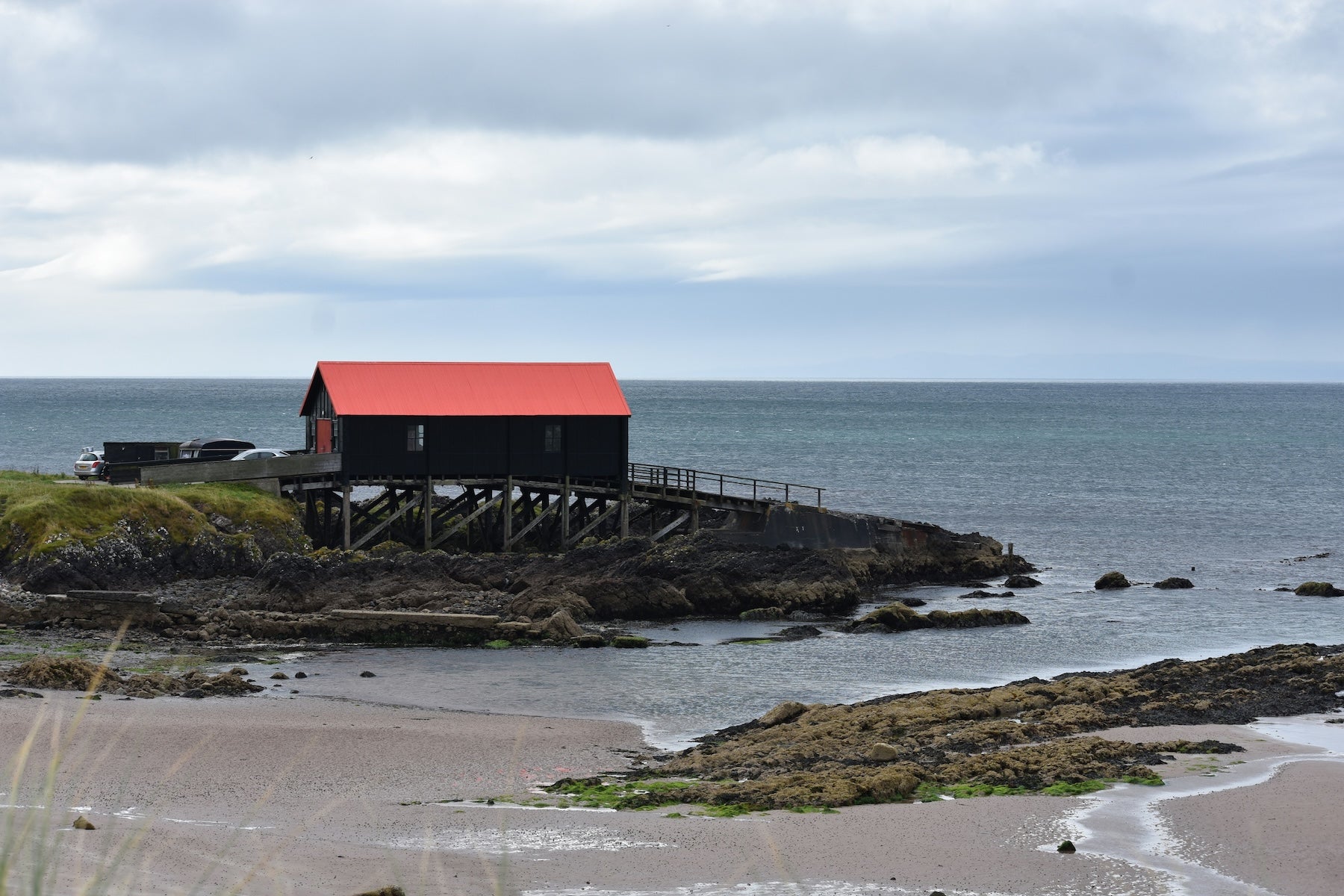
Buy Campbeltown whisky casks with confidence
Since 2016, Spiritfilled has helped thousands of clients buy Scotch whisky casks directly, with professional sourcing, bonded storage, and clear ownership from the outset. We work with people who value transparency, long-term thinking, and a measured approach to whisky cask ownership.
Whether you are exploring cask ownership for the first time or have prior experience, our role is to guide you through availability, suitability, and the practical realities of owning a whisky cask, from purchase through to long-term management.
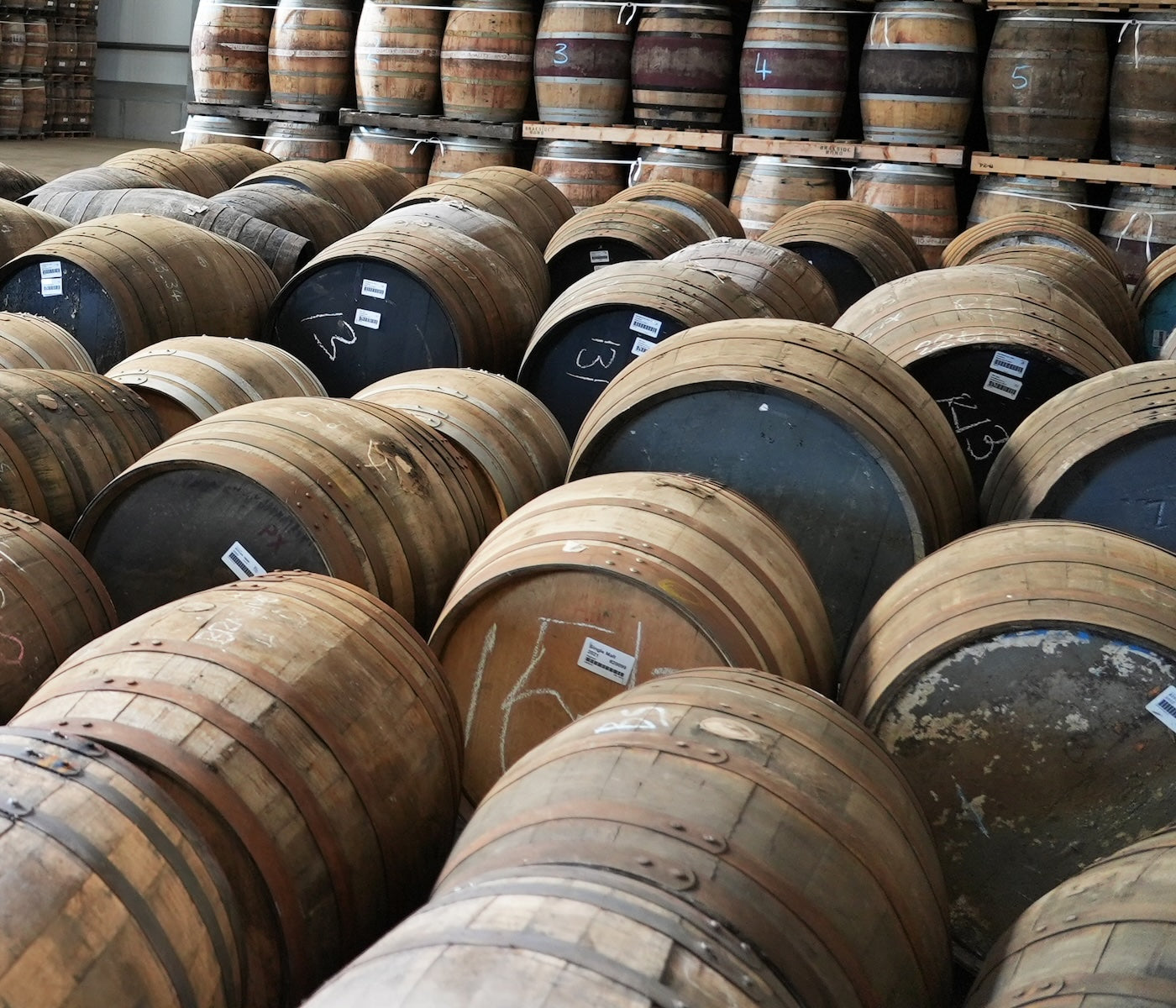
Wide range of Campbeltown casks
Campbeltown single malts from these iconic distilleries across a range of styles, ages, and cask types.
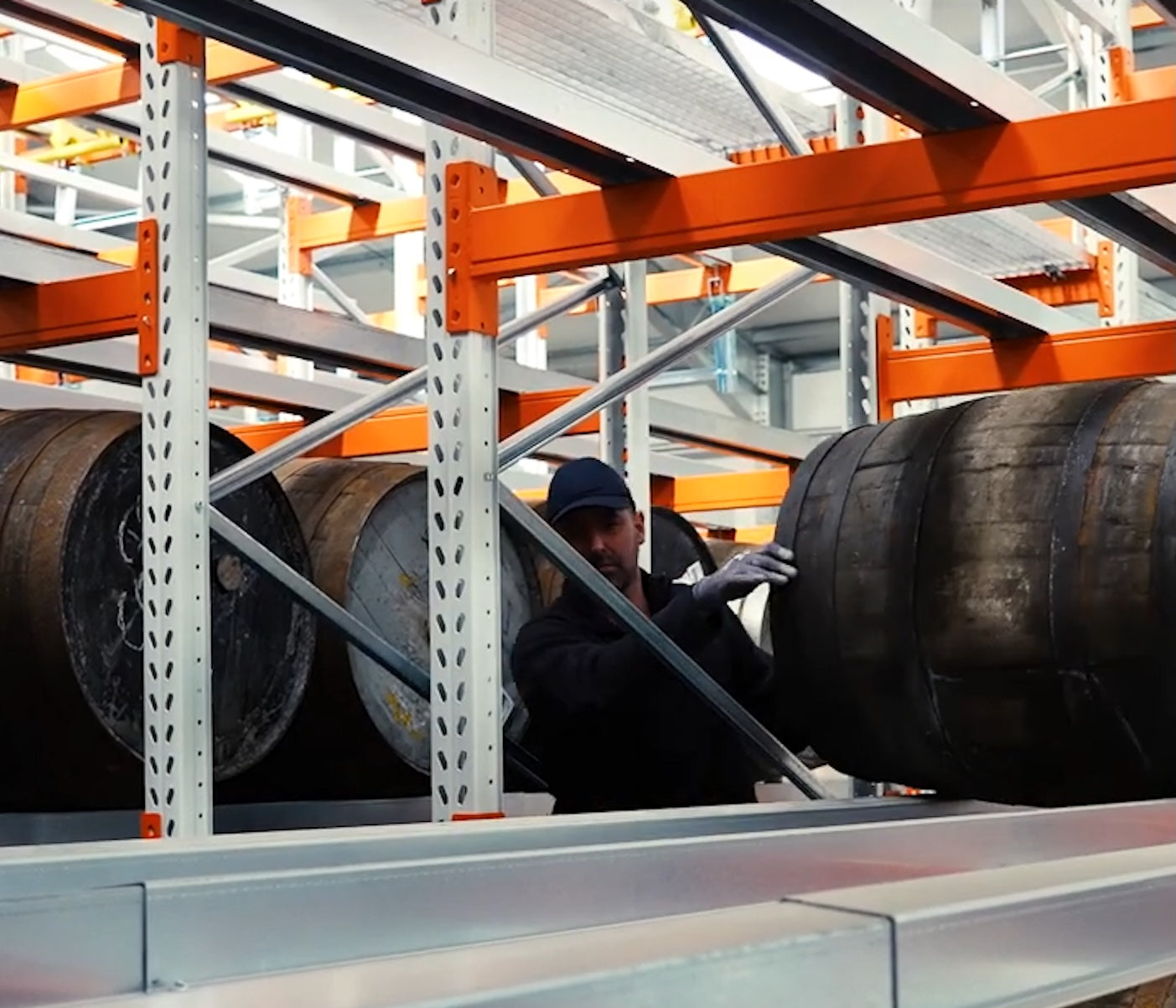
Three years’ storage and insurance
All casks include three years of storage in our HMRC-approved bonded warehouse and comprehensive insurance.
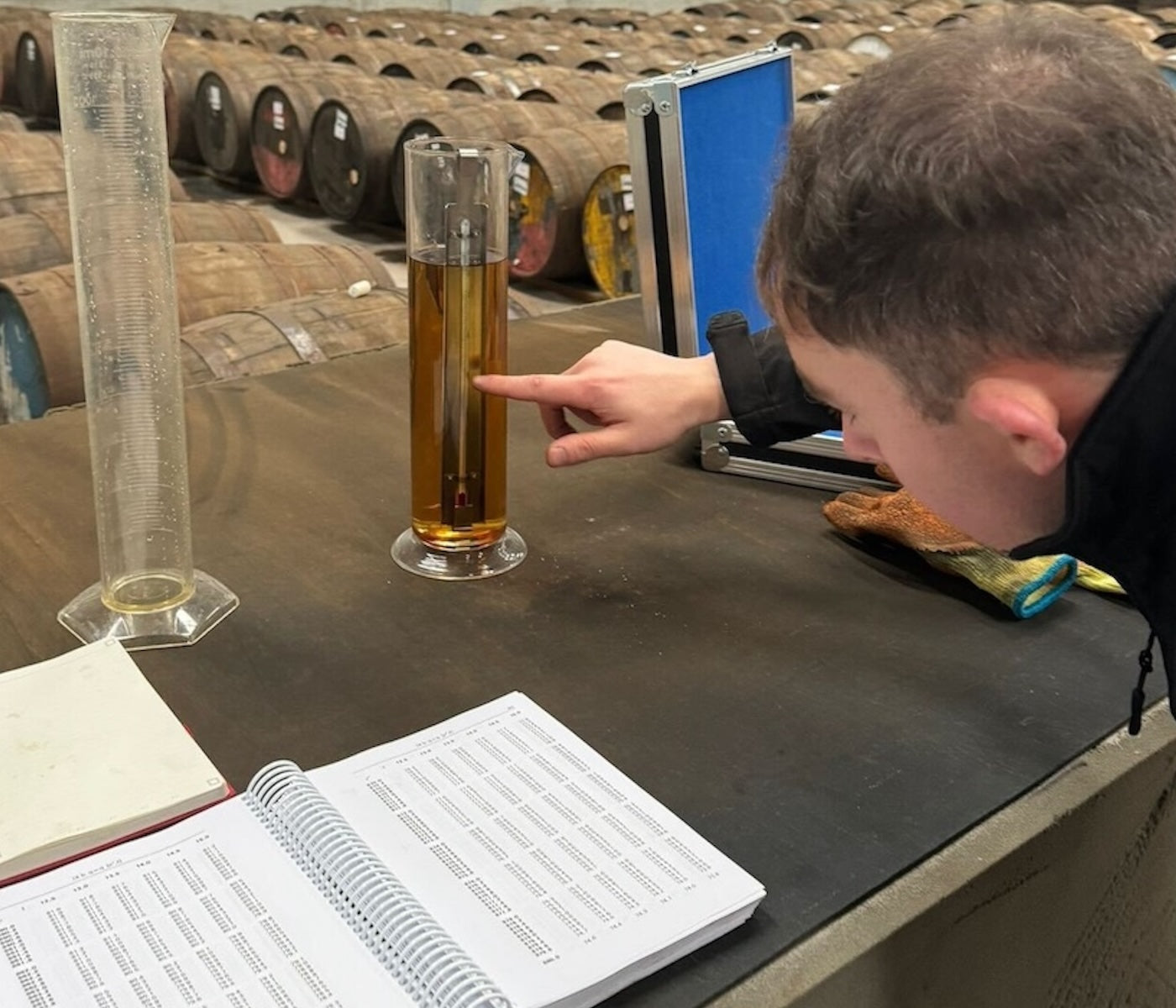
Delivery Order proof of ownership
Ownership is transferred to you outright and recorded via a Delivery Order issued, providing formal proof of title.
Five-star service and support
We are proud of our five-star customer feedback and take a long-term, relationship-led approach to cask ownership.

A unique corner of Scotland
Why Campbeltown?
Few whisky regions carry the historical weight of Campbeltown. Once known as the whisky capital of the world, the town supported more than thirty distilleries at its nineteenth-century peak. Today only a handful remain, yet that contraction has strengthened rather than weakened its identity. Campbeltown’s reputation rests on character, independence, and a house style that has endured cycles of boom and decline.
At its core, Campbeltown whisky is defined less by peat intensity and more by texture and structure. Traditional production methods, relatively long fermentations, and in some cases worm tub condensers contribute to a spirit that is weighty and lightly oily, often carrying maritime salinity, subtle smoke, orchard fruit, and a mineral edge. Cask maturation typically brings dried fruit, brine, toasted nuts, and gentle spice rather than overt sweetness.
Geography also plays a role. Located on the Kintyre peninsula and exposed to Atlantic weather systems, Campbeltown benefits from a coastal climate that supports steady maturation in traditional dunnage warehouses. While the precise climatic influence is debated, the town’s sea-facing provenance forms part of its commercial appeal.
From a market perspective, scarcity underpins Campbeltown’s strength. With only three active distilleries, namely Springbank Distillery, Glen Scotia Distillery and Glengyle Distillery, total output remains limited relative to global demand. Each maintains a distinct identity, reinforcing depth in both the primary and secondary markets.
Campbeltown combines rich heritage, structural character, and genuine scarcity. In the cask market, that combination continues to attract buyers seeking both provenance and resilience.
There are 3 active distilleries in Campbeltown
Campbeltown's active distilleries
History: Reopened in 2004 after lying silent for decades, Glengyle represents the revival of Campbeltown’s historic distilling tradition. Operated by the same ownership as Springbank, it was established to reintroduce the Kilkerran style to the region.
Approach: Production follows traditional methods, including relatively long fermentations and copper pot still distillation. Peat levels are generally moderate, and the focus is on producing a structured, coastal spirit capable of long maturation.
Flavour: The resulting profile is fresh yet weighty, often showing orchard fruit, citrus peel, light smoke and a mineral, maritime edge. In sherry casks, dried fruit and nutty notes can develop, while bourbon maturation emphasises brightness and salinity.
History: Established in 1832, Glen Scotia is one of the few Campbeltown distilleries to survive the region’s twentieth-century contraction. While production volumes are modest compared to larger regions, recent decades have seen renewed focus on quality and consistency.
Approach: Glen Scotia typically works with lightly peated malt, though peat levels are restrained relative to Islay standards. Fermentation and distillation aim to balance fruit and coastal character, producing a spirit that is structured yet approachable. Maturation frequently includes both bourbon and sherry casks.
Flavour: Its flavour profile often combines green apple, peach and citrus with maritime salinity and a gentle smoky thread. Oak influence can introduce vanilla, dried fruit and spice, while older stock develops greater depth and composure.
History: Founded in 1828, Springbank remains one of Scotland’s most traditional and independently owned distilleries. At a time when many historic Campbeltown producers disappeared, Springbank maintained production and preserved much of the region’s heritage-driven identity. Its continued family ownership reinforces a reputation for authenticity and continuity.
Approach: The distillery retains an unusually high degree of in-house production, including floor malting a proportion of its barley and operating direct-fired stills. It produces multiple styles under the Springbank, Longrow and Hazelburn names, ranging from lightly peated to heavily peated and unpeated spirit. Fermentation tends to be relatively long, contributing texture and complexity.
Flavour: The typical profile is weighty, lightly oily and maritime. Expect orchard fruit, brine, cereal sweetness and a mineral edge, often layered with gentle smoke and subtle earthiness. With age, notes of leather, tobacco and dried fruit can emerge.

Unique whiskies
Campbeltown Whiskies: Structure, Style and Identity
Whisky from Campbeltown occupies a distinctive place within Scotch. While sometimes described as lightly peated, its defining feature is structure rather than smoke. The spirit is typically weighty, lightly oily and mineral, with a saline thread reflecting its coastal position on the Kintyre peninsula.
Production methods reinforce this character. At Springbank Distillery, much of the process remains traditional, including partial floor malting and direct-fired stills. Glen Scotia Distillery often balances orchard fruit and maritime notes with firmness, while Glengyle Distillery produces a style combining freshness with coastal weight. Longer fermentations and, in some cases, worm tub condensers contribute to a dense, textural new make.
In cask, Campbeltown whisky develops in a measured, savoury direction. Refill bourbon wood can emphasise green apple, citrus oil and brine, while sherry casks introduce dried fruit, walnut and restrained spice. The spirit’s natural weight allows it to absorb oak without excessive sweetness, resulting in a profile that feels dry, maritime and structured.
With age, notes of tobacco leaf, earth, polished wood and subtle smoke can emerge, particularly in traditionally produced stock. Campbeltown whiskies may appear reserved in youth, but mature examples often show depth and composure valued by experienced drinkers and independent bottlers alike.
In practical terms, Campbeltown combines coastal freshness, textural density and restrained peat, a traditional style whose scarcity continues to drive enthusiasm for well-matured stock.

Unique casks
Campbeltown Whisky Casks: Ownership, Maturation and Scarcity
A Campbeltown cask is defined as much by scarcity as by style. With only three active distilleries in the region, total production remains modest, and comparatively few casks reach the open market each year. Availability is typically more constrained than in larger Scotch regions.
In maturation, Campbeltown spirit evolves in a measured, savoury direction. In youth, orchard fruit, cereal sweetness and coastal salinity tend to lead. With time, greater weight develops, bringing dried apple, walnut, brine, leather and restrained smoke. The distillate’s natural texture allows it to carry oak influence without becoming overly sweet, particularly in refill wood.
Cask type remains central. Refill bourbon barrels often preserve the mineral edge and maritime freshness, while sherry casks introduce dried fruit, toasted nuts and gentle spice. Because the spirit is structurally robust rather than heavily peated, balance is essential. Active oak can add depth, but over-extraction may obscure regional character.
From an ownership perspective, patience is important. Campbeltown casks frequently reward longer holding periods, especially where fill quality is strong. Regular regauging helps monitor alcohol strength, volume and maturation trajectory, informing the optimal window for sale or bottling.
Commercially, the appeal lies in heritage and finite supply. Distilleries such as Springbank Distillery, Glen Scotia Distillery and Glengyle Distillery operate within a region whose capacity cannot easily expand to meet rising international demand. That imbalance continues to support interest in well-matured, properly documented Campbeltown stock.
A Campbeltown cask offers exposure to a small, historically significant region defined by structure, provenance and genuine scarcity.
Get Current Campbeltown Cask List
A short call allows us to understand what you're looking for, and discuss the best Campbeltown whisky casks. We can cover current availability, house style, cask type, bonded storage, insurance, and the practical considerations involved in holding a Campbeltown cask over the medium to long term. It's an introductory call, there's no obligation to go further.

Why Spiritfilled?
Spiritfilled: Enriching whisky
We created Spiritfilled so our clients can have a secure way to buy, store, and sell whisky casks.
✔ We’re experienced. We've bought and sold whisky casks for years; we have a strong network of industry contacts, and we know how to navigate the market effectively - getting the best prices for our customers.
✔ We’re trusted. We work with clients around the world, often building close personal relationships that see us working together for many years. We're proud of our Trustpilot rating of 4.9 out 5.0, scored by over 330 happy clients.
✔ We’re licensed. Although the whisky cask investment market in the UK itself isn’t regulated, alcohol as a commodity is. We have the necessary government licences to buy, sell, and manage maturing whisky casks (AWRS Number: XXAW00000114325; Warehouse Number: GB00004398203).
✔ We’re passionate. Our genuine love of whisky means we truly understand the product you’re investing in, and we keep our finger on the pulse of market trends.
✔ We handle it all. From sourcing the right casks, through providing a Delivery Order, to facilitating eventual resale, our end-to-end service supports you through every stage of the process.
"I have recently added to my existing cask portfolio with Spiritfilled. The returns to date are healthy which encouraged me to buy some more. The people at Spiritfilled are knowledgeable and run their business in an efficient and courteous manner; never any hard sell. Easy to get hold of to answer any questions or provide information."
"Being completely new to buying whisky, I needed quite a lot of information about the types of barrels, sizes, what was a good buy etc. My dealings were with Jonathan and he took the time to explain all this to me, several times as my memory isn't great! Nothing was too much trouble and he has kept in touch to make sure I was happy and everything was OK. I would have no hesitation in recommending Spiritfilled if you're thinking of buying whisky."
"Spiritfilled have been an absolute pleasure to deal with, from the first enquiry to the final transaction. I found them to be knowledgeable, passionate about what they do and genuine about delivering a positive customer experience. I would highly recommend them to anyone interested in either buying or selling whisky. Thank you Russell and team!"
"I bought a few casks of Whiskey from Chris with a very pleasant and comfortable procedure. I have already talked to different brokers before finding Spiritfilled and Chris, so I can obviously see the difference: Chris is always patient and trying his best to answer the questions I have (the Whiskey, the distillery and the potential investment return). I did not feel to be pushed by him to buy the casks without understanding what I am getting into as the other brokers did to me."
"I found the overall experience very easy. I wasn’t forced into anything or felt obligated to do anything I didn’t want to. All my questions about whisky investments were answered. After my purchase, Ownership papers were sent out ASAP by email and paper copy along with purchase agreement. Once my casks were moved to Breaside Bond warehouse I was given a delivery order and organised a visit to see them. Excellent service start to finish. Would highly recommend Spiritfilled."
Need help?
Frequently Asked Questions
Here are some of the questions we're often asked when it comes to buying whisky casks from Campbeltown (and, indeed, more generally). But if you need further help, please do contact us using the form above.
Buying a Campbeltown Whisky Cask
If you are searching for a Campbeltown whisky cask for sale, focus first on provenance rather than price. A legitimate offering should specify distillery, fill date, cask type, bulk litres of alcohol, current ABV, and bonded warehouse location.
Most importantly, the cask should be accompanied by a Delivery Order issued by the HMRC-approved warehouse. Without this document, ownership is not properly evidenced.
Contact us, and we'd be pleased to help with your search.
To buy a Campbeltown cask, you typically work with a specialist broker or supplier sourcing stock from distilleries or established trade networks. Once agreed, payment is made and a Delivery Order transfers legal title to you.
The cask remains under duty suspension in bonded storage. You own the cask legally, but it does not leave the warehouse until it is sold or bottled.
Contact us, and we'd be pleased to help with your search.
You should receive:
- A Delivery Order confirming legal title
- Confirmation of cask number and warehouse location
- Bulk litres of alcohol and current ABV
- Insurance confirmation
- Storage terms and annual costs
Clear documentation is essential if you later wish to sell or bottle the cask.
Availability depends on market supply. Casks from Springbank can be difficult to source..
Some stock is sold with distillery name attached. Other parcels may be traded as undisclosed Campbeltown. Transparency around naming rights and labelling restrictions is important before purchase.
Contact us, and we'd be pleased to help with your search.
Minimum purchase levels vary depending on age and distillery. Younger refill barrels may sit at a lower entry point than mature first-fill sherry butts. Buyers should consider not only acquisition cost but also annual storage, insurance, and potential bottling costs.
Investment, Value and Risk
A Campbeltown whisky cask investment can offer exposure to a globally recognised category. However, it is not a guaranteed return and should be approached as a long-term, specialist asset.
Value depends on spirit quality, maturation, market conditions, and liquidity at exit. It is essential to assess suitability within your broader financial position.
Campbeltown benefits from strong brand equity and global recognition. The region's style is distinctive and consistently in demand. Production capacity is finite relative to global appetite, which can influence pricing dynamics.
That said, pricing can vary by distillery, age, and cask type.
There is no fixed holding period. Decisions should be informed by regauging data, sensory assessment where possible, and market demand for that age and style.
Key considerations include:
- Long holding periods
- Market price volatility
- Angel’s share reducing volume annually
- ABV drift over time
- Liquidity at exit
Additionally, active oak can overtake peated spirit if not monitored. Regular regauging and professional oversight are advisable.
Yes. Many transactions occur within bond, meaning the cask is transferred to a new owner via Delivery Order without duty being paid.
Liquidity will depend on age, distillery, condition, and prevailing demand for peated stock at the time of sale.
Storage, Compliance and Practicalities
Although distilled in Campbeltown, a cask may be stored either in the town or in another Scottish bonded warehouse. All Scotch whisky must mature in an HMRC-approved bonded warehouse under duty suspension.
Private or domestic storage during maturation is not permitted.
A Delivery Order is the formal warehouse document confirming that legal title to a specific cask has been transferred. It is issued by the bonded warehouse keeper.
Without a Delivery Order, you do not have clear legal ownership. It is the single most important document in whisky cask ownership.
No duty or VAT is payable while the cask remains in bond under duty suspension. Duty and VAT are only triggered when the whisky is removed from bond, typically at bottling.
This structure allows maturation to take place tax efficiently.
Yes, provided the whisky has matured in Scotland for at least three years and complies with Scotch Whisky Regulations. Bottling requires removal from bond, payment of duty and VAT, and coordination with a licensed bottler.
Some owners bottle privately, others sell the cask within bond to an independent bottler or trade buyer.
Contact us, and we'd be pleased to help.
Access policies depend on the warehouse where the cask is stored. Some bonded warehouses permit visits by appointment, while others do not allow routine access. It is important to clarify access arrangements before purchase if visiting is important to you.
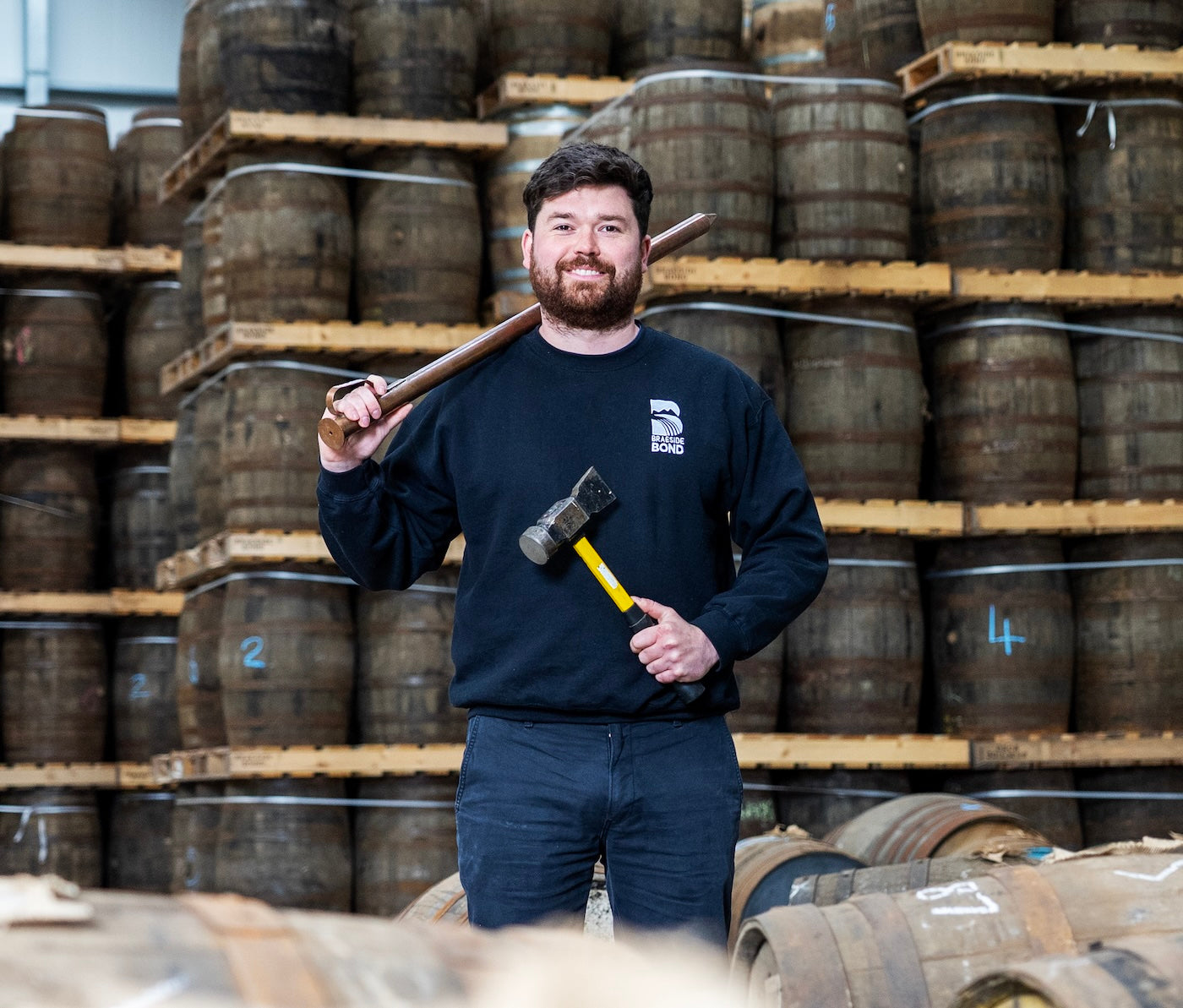
At Spiritfilled, we welcome visits to our Braeside Bond warehouse.
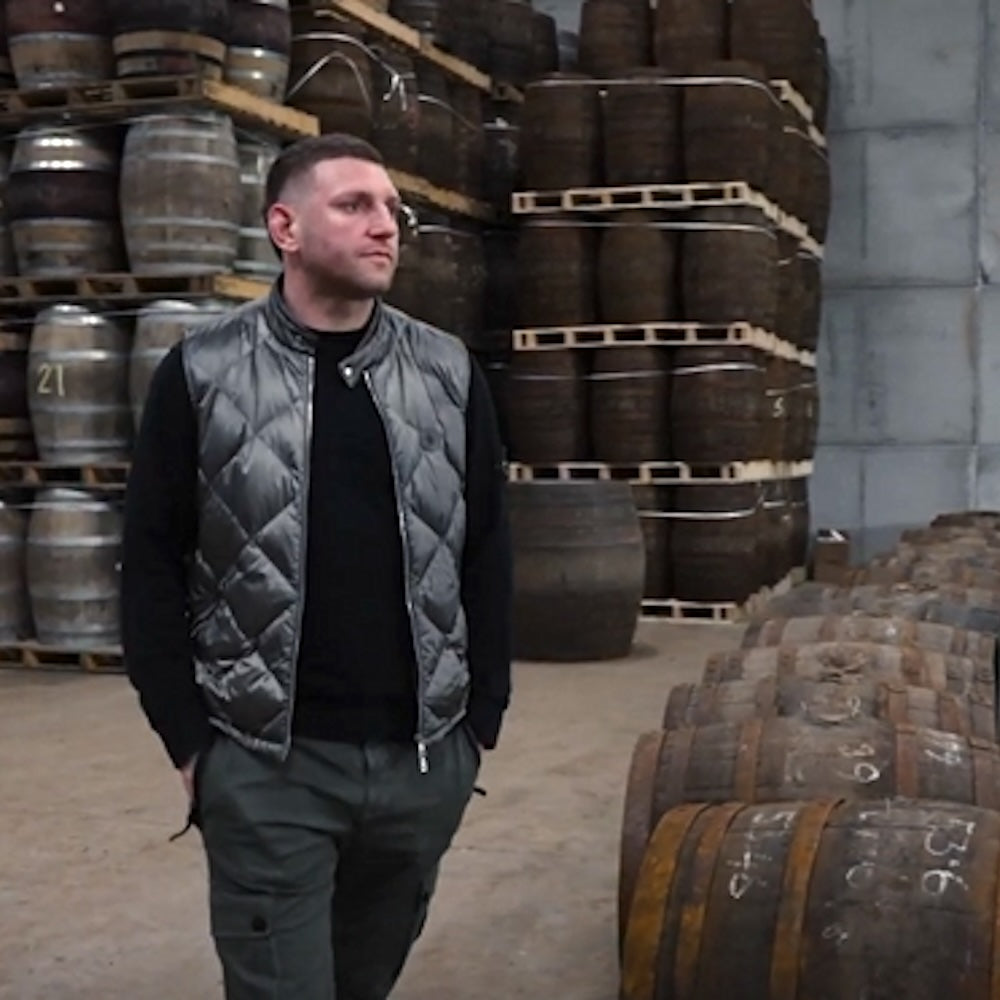
Scottish Rugby Captain and Spiritfilled Ambassador
A word from Finn Russell
“For me, I think it’s a great investment. The longer you can afford to leave it, the better the investment it is. It’s something for my daughters to come; I’ll probably get casks for them in the future, and its always a nice thing to hand down.
Being Scottish, I suppose it’s kind of part of our country, part of our nation. So, I think supporting the Scottish brands and the Scottish distilleries is brilliant. I think the investment you can put in and the longer you can leave it, it’s a brilliant opportunity for people.
One of the biggest things of becoming part of Spiritfilled was the Scottish whisky and coming from Scotland. Being so passionate about Scotland. It’s one of our main prides and whisky gets exported worldwide. I think me trying to help grow Scotland as much as a whisky brand itself is something I’m really looking forward to.”
Finn Russell
