


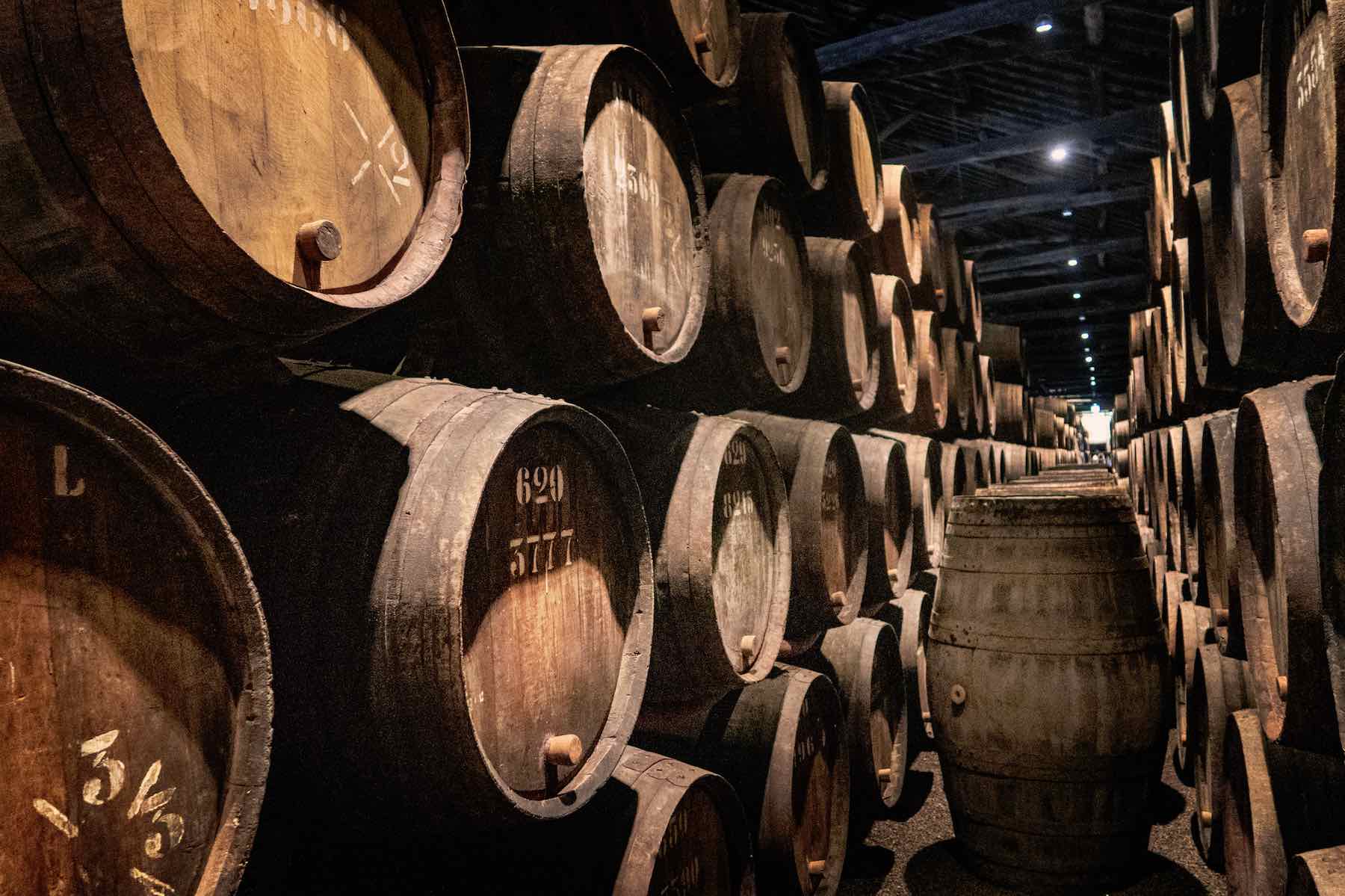

Port Cask Whisky: Types of Port Cask and Their Impact on Flavour
Key takeaways
- A Port cask’s previous wine matters, but its size, freshness, oak activity and fill history often have a greater influence on the finished whisky.
- Ruby-style casks usually bring brighter berry and plum notes, while tawny and Colheita casks tend to develop more slowly towards dried fruit, nuts, spice and polished oak.
- Freshly seasoned barriques can change a whisky quickly, whereas larger or well-used Port pipes may need considerably more time to show their influence.
- Colour can develop well before the flavours have properly integrated, so a darkening whisky is not necessarily ready to leave the cask.
- The right finishing period is determined through regular sampling, not by following a fixed number of months.
Bourbon and sherry casks account for much of the whisky maturing in Scotland, but they are far from the only options. Port casks have long been used to add fruit, colour and weight to whisky, particularly during secondary maturation or finishing.
On paper, the appeal is obvious. Port brings dark fruit, sweetness and spice. In practice, it is not quite that simple.
We have worked with Port casks that delivered a clear layer of red berries within a relatively short finish. Others were slower, giving more oak, nuts and dried fruit than obvious wine character. Occasionally, a very active cask starts moving so quickly that the whisky needs sampling far earlier than originally planned.
The style of Port matters, but so do the size of the cask, how recently it was emptied, the condition of the oak and the number of times it has already been used. Simply describing something as a “Port cask” tells you surprisingly little.
What is Port?
Port is a fortified wine produced in Portugal’s Douro region.
During fermentation, grape spirit is added to the partially fermented wine. This stops the yeast before all the natural grape sugar has been converted into alcohol. The result is usually sweet, concentrated and between 19% and 22% ABV, although sweetness levels vary considerably between styles.
Touriga Nacional, Touriga Franca, Tinta Roriz, Tinta Barroca and Tinto Cão are among the best-known black grape varieties used in red Port. White Port is made from white varieties grown in the same region.
The idea that Port was simply invented to survive a sea journey to Britain is a tidy story, but the reality is more gradual. Fortification developed alongside the trade in Douro wines, helping to create the stable, rich style now associated with Port.
For whisky maturation, the important point is what happens next. Some Port styles spend much of their lives in wood. Others spend only a short period in cask before developing further in bottle. That difference can have a considerable effect on the cask left behind.
What does “Port cask” actually mean?
A Port cask is an oak cask that has previously held Port, or has been seasoned with Port specifically for use in whisky maturation.
Those two things are not always identical.
A genuine cask from a Port lodge may have held wine for years, possibly decades. By the time it reaches a whisky warehouse, the oak itself may be relatively inactive. It can still carry plenty of vinous character, but it may contribute less fresh oak extraction than a newly prepared cask.
A seasoned cask is usually newer oak that has held Port for a controlled period before being emptied and shipped. These casks can be much more active. They often contribute colour, tannin and wine character quickly, particularly during the first whisky fill.
Related reading: Is whisky better than a wine investment?
Whenever we assess a Port cask, we want to know more than the previous wine’s name. We look at:
- The style of Port used
- Whether the cask is genuinely ex-Port or Port-seasoned
- How long the wine remained in the cask
- When the cask was emptied
- Whether it has been rinsed
- The oak species and cask size
- Its previous whisky fills
- The condition of the staves, heads and hoops
A freshly emptied Port-seasoned barrique and an old refill Port pipe might both appear on a stock list as “Port casks”. They will not behave in the same way.
The main styles of Port used for whisky casks
Port is often divided into four broad families:
- Ruby-style Port
- Tawny-style Port
- White Port
- Rosé Port
Within those families are classifications such as Vintage, Late Bottled Vintage and Colheita. These describe how the Port was produced and aged. They are not separate shapes or constructions of whisky cask.
Find out more about Port styles on IVDP's site.
Ruby Port casks
Ruby Port is made to preserve fresh fruit, colour and intensity. Ruby Reserve, Late Bottled Vintage and Vintage Port all sit within the broader ruby family, although their production and ageing differ.
In whisky, ruby-style Port casks tend to produce the clearest fresh-fruit character. Raspberry, blackcurrant, cherry, plum and blackberry are common descriptions. With a particularly active cask, those notes can be joined by dark chocolate, jam and a slight wine-gum sweetness.
The best results retain the original distillery character underneath the fruit. That balance is not guaranteed.
A light, delicate malt can be covered surprisingly quickly by a fresh ruby-seasoned cask. The colour may look impressive after a few months, but colour is not a reliable measure of integration. We have sampled Port finishes where the nose appeared ready before the palate had settled, and others where the whisky gained colour long before it gained much depth.
Ruby Port generally works well with whiskies that already carry some weight: malty spirit, dried-fruit character, chocolate notes, heavier distillate or a touch of smoke. With a lighter spirit, shorter and more closely monitored finishes are often safer.
Tawny Port casks
Tawny Port spends longer ageing oxidatively in wood. As the wine develops, its fresh berry character moves towards dried fruit, nuts, caramel, orange peel and spice.
Those flavours often translate well into whisky, but tawny casks can be less immediately obvious than ruby casks. Rather than a burst of red fruit, we tend to find walnut, raisin, fig, polished oak, burnt sugar and gentle baking spice.
Older tawny casks can be particularly interesting. They can also be deceptive.
A cask that has held Port for a long time may carry complex wine residue but have relatively tired oak. The influence can therefore be subtle and slow. By contrast, a recently seasoned tawny cask made from more active oak may contribute tannin and sweetness much faster than expected.
Tawny casks often suit mature whisky because they add secondary flavours without necessarily smothering the spirit. They can bring cohesion to a whisky that already has orchard fruit, nuts or old oak, although an excessively tannic cask can leave the finish dry and woody.
Colheita Port casks
Colheita is a single-vintage tawny Port aged in wood for at least seven years. It should not be confused with Vintage Port, which belongs to the ruby family and spends most of its development time in bottle.
A sound Colheita cask can give whisky a particularly layered profile: dried figs, dates, roasted nuts, orange oil, old leather, cocoa and warming spice. The wine itself has had years to oxidise and concentrate in wood.
The cask’s age still needs to be considered. Long use by the Port producer may mean the oak has little left to give beyond the residual wine influence. That can be ideal for a gentle finish, but less useful when the aim is a pronounced transformation.
Colheita casks are also less common than generic ruby or tawny-seasoned casks, so provenance is worth checking carefully.
White Port casks
White Port deserves more attention than it usually receives.
Its style ranges from dry and fresh to sweet, rich and wood-aged. That variation makes “white Port cask” an especially broad description. A cask seasoned with a young, dry white Port will not behave like one that held an older, oxidative example.
In whisky, we commonly associate white Port with orchard fruit, citrus peel, honey, apricot, almonds and fresh herbs. Sweeter examples can lean towards peach syrup or barley sugar, while older wood-aged styles may bring more nuts and spice.
The colour contribution is usually less dramatic than with red Port. That can be useful when the aim is to add texture and fruit without turning the whisky deep pink or mahogany.
White Port can work well with lighter Speyside and Highland spirit, particularly where the whisky already shows apple, pear, floral or cereal notes. It still needs watching. A very sweet cask can push a delicate whisky towards confectionery rather than complexity.
Rosé Port casks
Rosé Port is a modern, fruit-led style made with limited skin contact. It is less commonly encountered in whisky warehouses, but it can produce distinctive results.
Expect strawberry, raspberry, redcurrant and floral notes rather than the darker fruit associated with ruby Port. The influence can feel bright and aromatic, sometimes with a sweetshop quality.
That final point is also the risk. Used carefully, rosé Port can lift a youthful, fruity whisky. Left too long, it may become overly perfumed or artificial in character.
We would generally approach a rosé Port finish as a shorter, more experimental maturation rather than filling the cask and leaving it unchecked for years.
What about Vintage, LBV and Single Quinta Port casks?
Vintage Port and Late Bottled Vintage are classifications within the ruby family.
Vintage Port typically spends a relatively short period in wood before doing most of its ageing in bottle. LBV remains in wood for longer, usually four to six years, before bottling.
That does not mean a cask labelled “Vintage Port” will automatically give whisky more flavour than a standard ruby Port cask. The condition, freshness and construction of the cask remain more important than the prestige of the wine previously held in it.
Single Quinta describes a Port made from one estate. It is often associated with Vintage Port, although the term refers to origin rather than a completely separate method of cask maturation. It is not, as is sometimes suggested, a more specific form of Colheita.
For whisky buyers, these names can be useful indicators of the wine’s background, but they should not replace questions about the actual cask.
Port pipe, barrique or hogshead?
Cask size has a major influence on how quickly any whisky evolves, including Port casks. You can read more about whisky cask sizes in our detailed guide.
Traditional Port pipes are considerably larger than bourbon barrels. A large vessel has less wood surface area in contact with each litre of spirit, so maturation tends to be slower and more measured.
Many Port-finished whiskies are not held in full-size pipes. The Port may have seasoned a smaller barrique, or a larger Port cask may have been dismantled and re-coopered into hogsheads. Smaller formats usually work faster because more spirit is exposed to the wood.
This is why a suggested finishing period should never be treated as a fixed recipe.
Six months in an active barrique can have more impact than several years in a large, well-used pipe. The label may say Port finish in both cases, but the resulting whisky can be entirely different.
Full maturation or Port cask finish?
Port casks can be used for full maturation or as a finishing cask.
A full maturation allows the spirit, oak and wine influence to develop together over a longer period. When it works, the flavours can feel deeply integrated. The risk is that a powerful first-fill cask begins to dominate before the whisky has reached sufficient age.
Finishing involves transferring an already mature whisky into a Port cask for a final period of maturation. Under Scotch Whisky rules, finishing remains part of the maturation process and the previous liquid must have been emptied from the cask before the whisky is filled. You can read more about how re-racking and finishing whisky works in our dedicated article.
A finish gives more control, but only when the whisky is sampled regularly. Don't assume that a Port finish needs 12, 18 or 24 months simply because that period worked for another cask. With active wood, the difference between a balanced finish and an overdone one can be relatively short.
Early samples may show separate layers: the original whisky underneath and Port fruit sitting on top. With time, those flavours can knit together. Leave it too long, however, and the fruit may become jammy, the tannins dry the palate and the distillery character disappear.
How different Port styles can influence whisky
|
Style of Port |
Typical influence on whisky |
What to watch for |
|
Ruby |
Raspberry, blackberry, plum, cherry, dark chocolate and jam |
Can overwhelm light spirit or become overly sweet |
|
Tawny |
Raisin, fig, walnut, caramel, orange peel and baking spice |
Older casks may work slowly; active oak can become drying |
|
Colheita |
Dates, dried figs, roasted nuts, cocoa, polished oak and spice |
Genuine casks may be relatively inactive after long wine ageing |
|
White |
Apple, pear, apricot, citrus, honey, herbs and almonds |
The result depends heavily on whether the Port was dry, sweet, young or wood-aged |
|
Rosé |
Strawberry, raspberry, redcurrant, flowers and confectionery sweetness |
Can become perfumed or artificial if the finish runs too long |
|
Vintage or LBV |
Dark berries, plum, chocolate, wine richness and spice |
As subsets of Ruby, can overwhelm light spirit or become overly sweet |
These profiles are useful starting points, not guarantees.
We have seen two Port casks with apparently similar specifications produce very different results. One may lead with wine and fruit. Another may show mostly dry oak and spice. The individual cask always has the final say.
Ed Leigh, an expert in single cask whiskies, said "Port cask whiskies are among my favourites. From Scotland to Taiwan, there are some superb examples. At their best, they are decadently rich and complex. However, careful selection and management are key. Looking to add a bold finish to a robust malt in 6-9 months? You may want to consider Ruby, Vintage or LBV casks. Looking for a sensitive cask for 2+ years, explore Tawny or Colheita casks. Make sure to sample throughout."
What we check before using a Port cask
A good Port cask should smell clean when opened. Fruit, wine, oak and sweetness are welcome. Vinegar, damp wood, mould, excessive sulphur or stale, sour aromas are not.
We also check how long the cask has been empty. Wine casks should ideally be filled promptly after disgorging or transported and stored in a way that protects their condition. A cask left dry for too long can lose freshness, open at the joints and become harder to manage when filled.
The first sample is then taken according to the expected activity of the cask. For a large refill pipe, that may allow a longer interval. A freshly seasoned barrique deserves much closer attention.
Sampling is not only about asking whether the whisky tastes good. We are looking at how it is moving:
- Is the Port fruit integrating with the spirit?
- Is tannin beginning to build?
- Has the distillery character become harder to find?
- Is the palate developing at the same rate as the colour?
- Does the whisky need more time, or has the cask already done enough?
There is no benefit in keeping whisky in a finishing cask simply to reach a round number of months.
Can a Port cask improve any whisky?
No. A Port cask can add flavour, but it cannot repair faulty spirit or poor-quality maturation.
It may soften a whisky that feels slightly austere, add fruit to a spirit that has become oak-led or bring more weight to a relatively straightforward bourbon-cask maturation. It can also make an unbalanced whisky even less coherent.
The best finishes begin with a clear reason for moving the whisky. Perhaps it needs more fruit. Perhaps the spirit has enough weight to support a richer cask. Perhaps a subtle layer of nuts and dried fruit would complete an otherwise mature profile.
“Port finish” should not be the entire plan.
Interested in an ex-Port whisky cask?
Spiritfilled supplies and manages a range of maturing Scotch whisky casks, including whiskies held in bourbon, sherry, wine and Port casks.
We can also support cask owners with secure bonded storage, sampling, re-gauging, health checks and re-racking. Where a secondary maturation is being considered, the decision should be based on the condition of the whisky, the character of the receiving cask and regular assessment after the transfer.
Contact us today and we'd be pleased to help.
